IN BRIEF
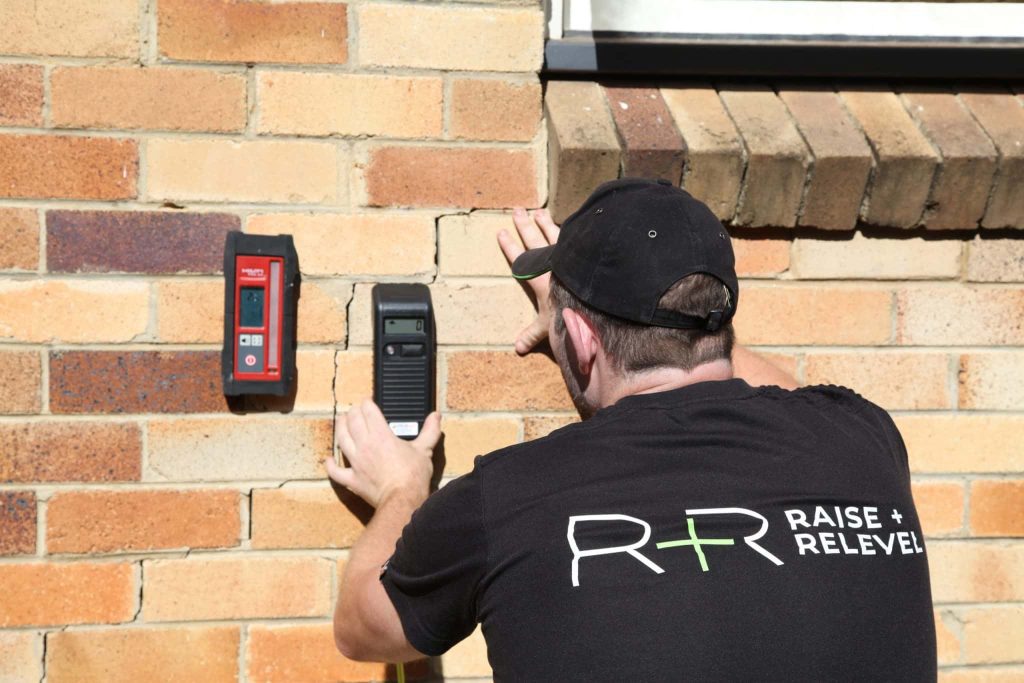
A house relevelling inspection checks whether the home has moved, how far and why.
Read article 11 min read

Compare the image and film openings in two brand palettes.
Understand the signs.
Explore your options.
Plan your next step.
Search the full text of all 77 articles. Combine the filters to narrow your results.
Try a broader phrase or clear one of the filters.
A house relevelling inspection checks whether the home has moved, how far and why.
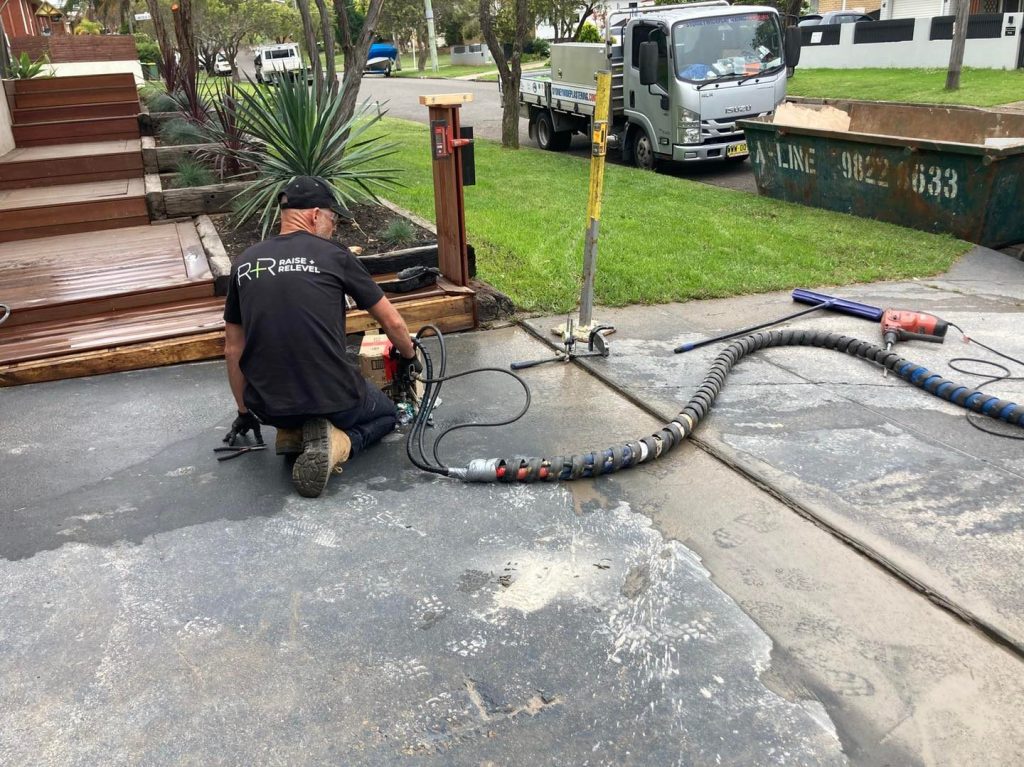
Concrete levelling addresses loss of support beneath suitable settled slabs.
Underpinning adds foundation support when investigation shows the existing footing needs it.
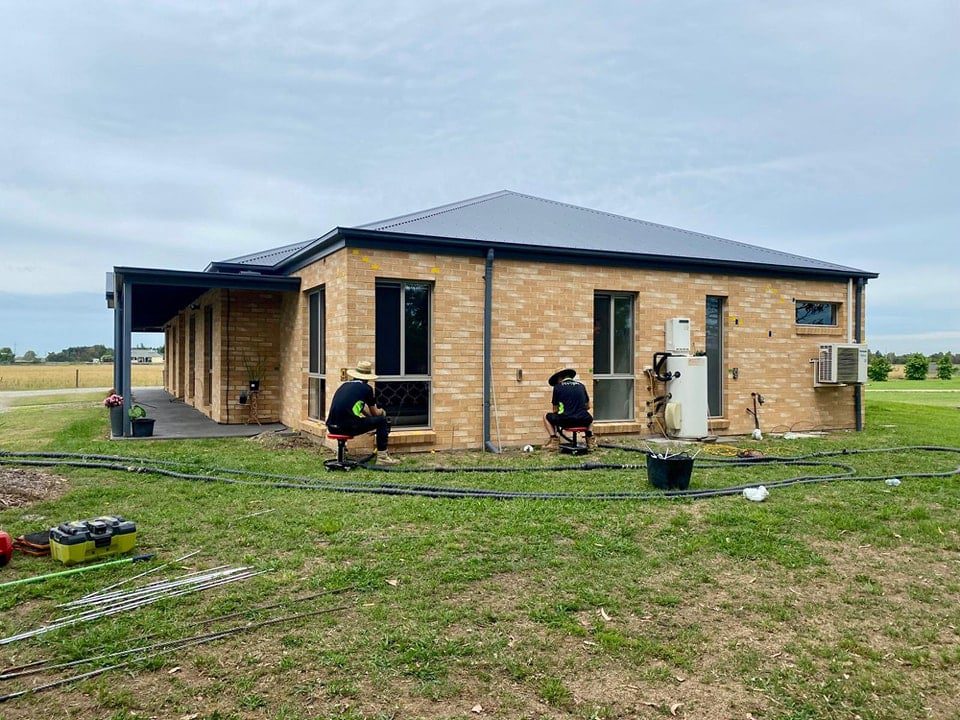
Concrete underpinning, piles and ground improvement do not solve foundation problems in the same way.
Underpinning, stabilisation, restumping and relevelling have different purposes.
Subsidence leaves parts of a building unevenly supported and can create related structural symptoms.
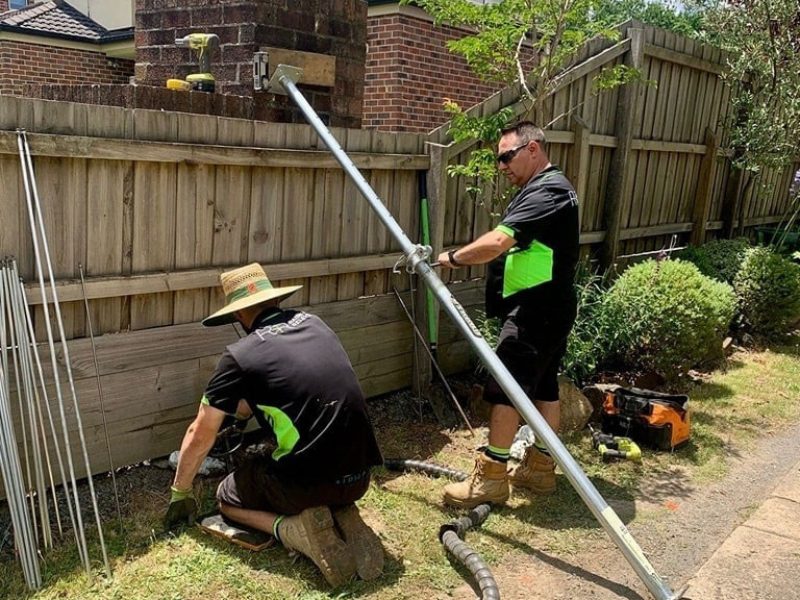
Foundation repairs range from correcting leaks and filling voids to lifting, underpinning or replacement.
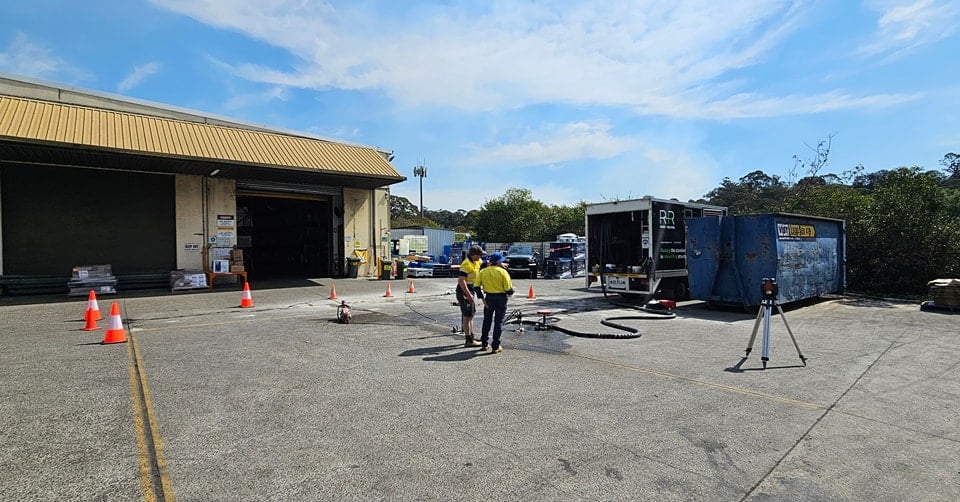
Sound concrete affected by settlement may be suitable for lifting.
Slab-jacking prices depend on the void, settlement depth, access and project requirements.
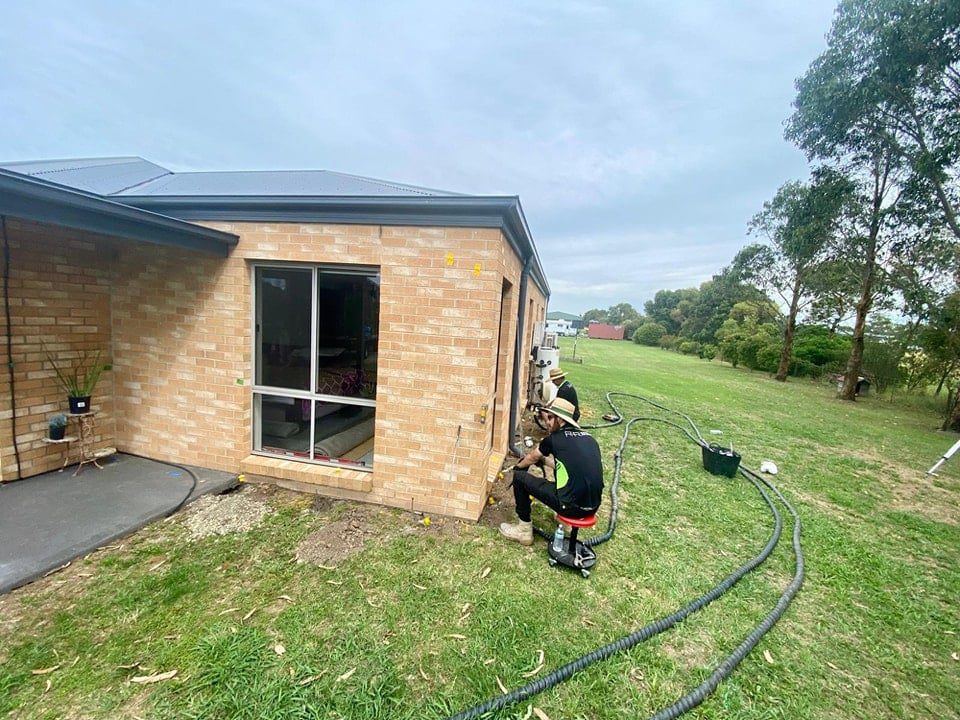
Resin injection improves suitable ground beneath a foundation; traditional underpinning adds structural support.
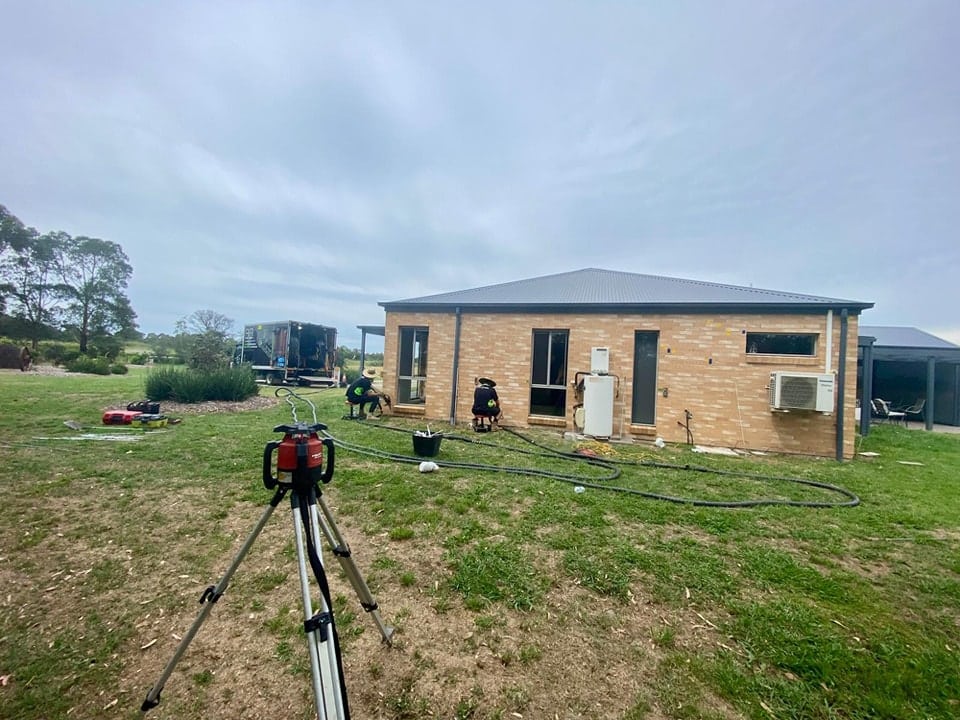
Slab jacking lifts suitable settled concrete, while underpinning supports building footings.
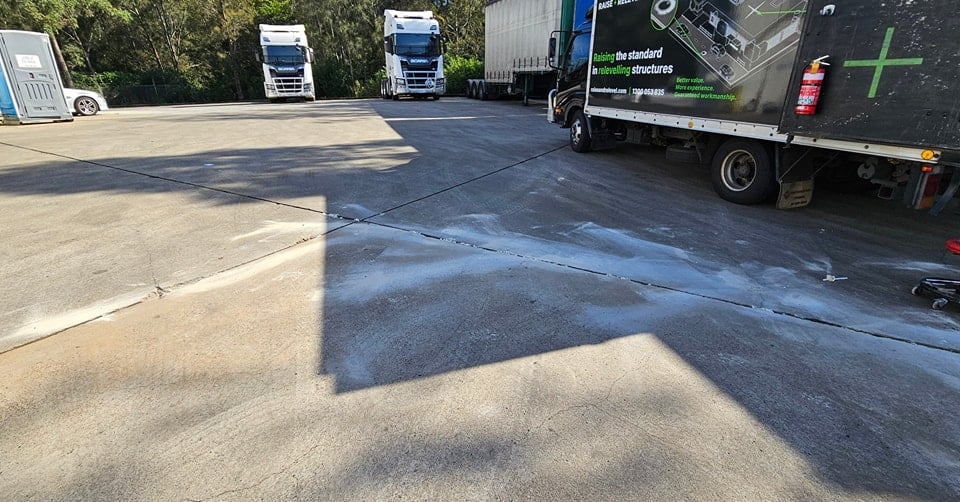
Choose a levelling provider that diagnoses the movement before pricing the repair.
Levelling compound smooths minor surface irregularities before new flooring is installed.
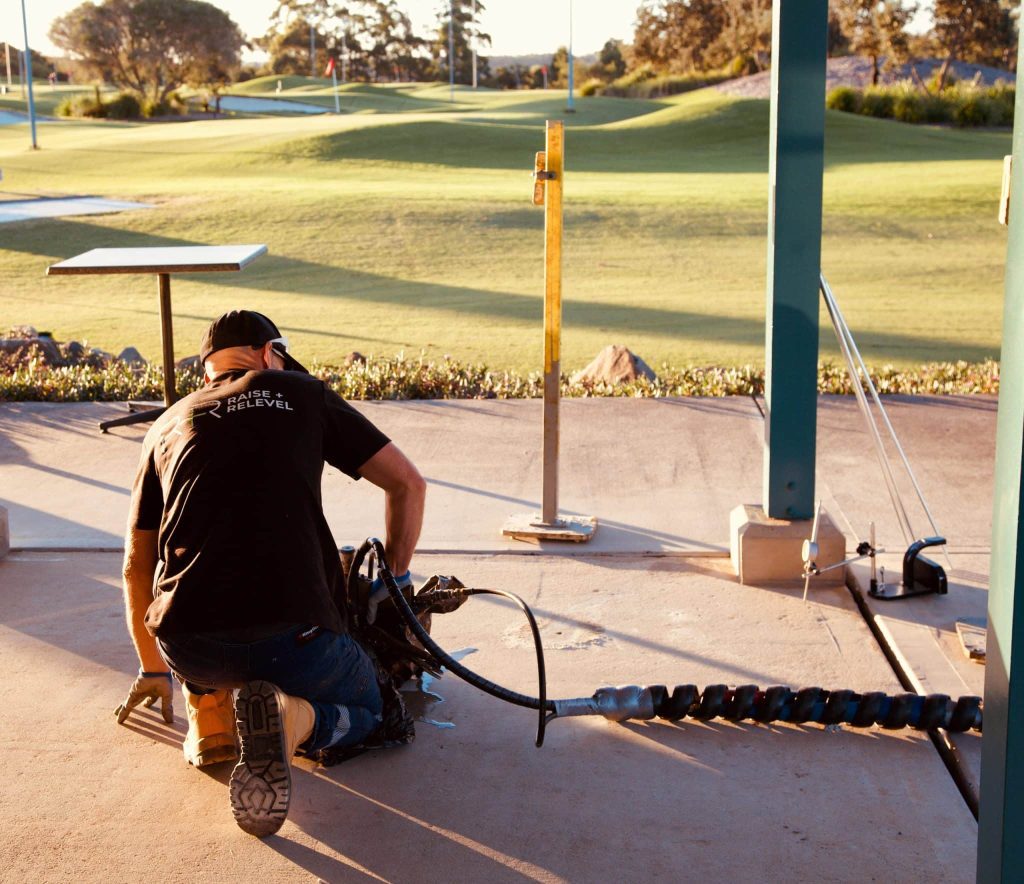
Concrete levelling foam expands beneath suitable settled slabs to lift and support them.
The right floor leveller depends on the condition and moisture of the existing slab.
The best slab repair depends on the cause of damage and the condition of the concrete.
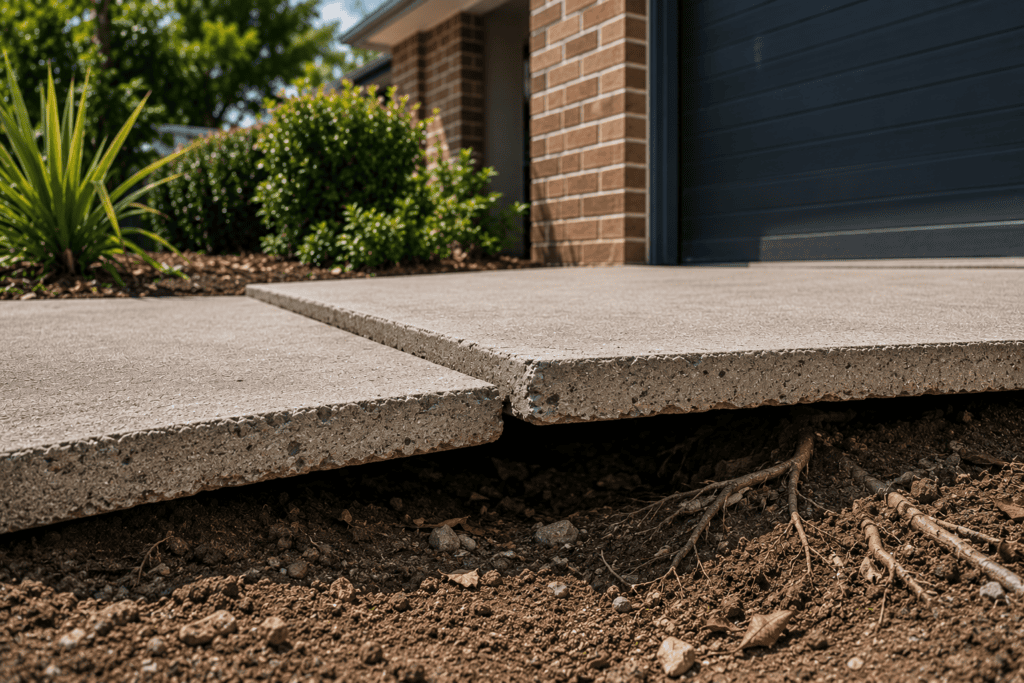
Concrete often sinks because its supporting ground shifts, erodes or loses density.
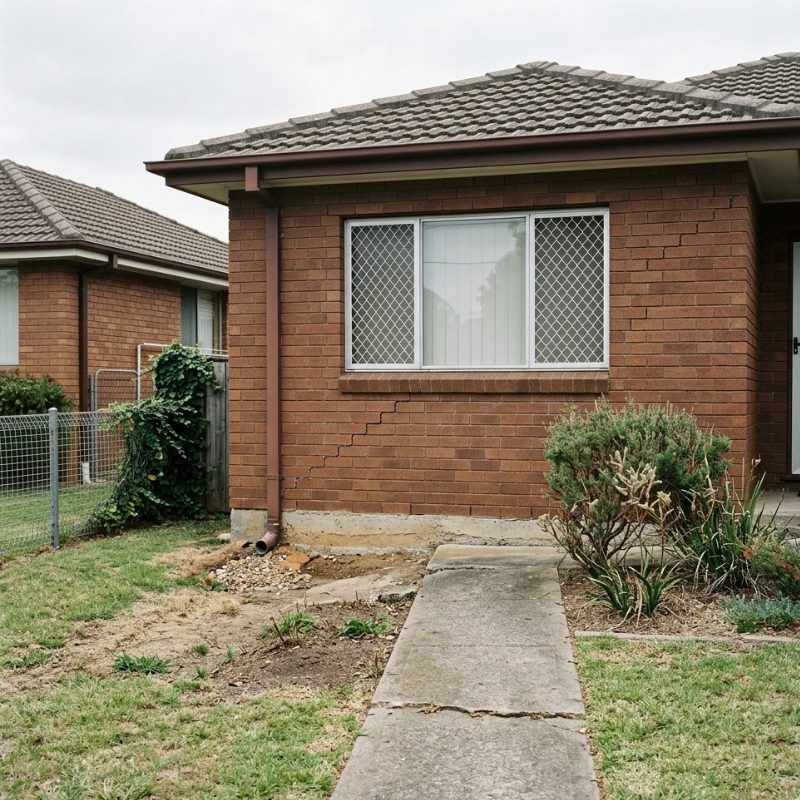
Cracks, uneven floors, sticking doors and gaps can be signs of slab movement.
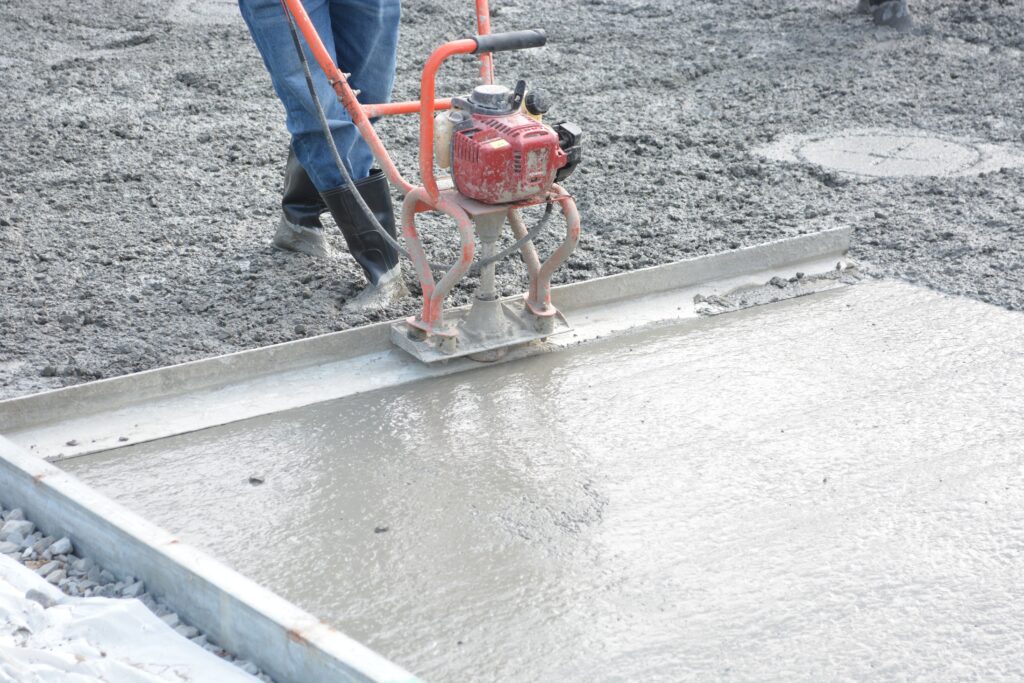
Uneven concrete can create trip hazards in homes, workplaces and public spaces.
Injection-based levelling introduces material beneath a settled slab to restore support and level.
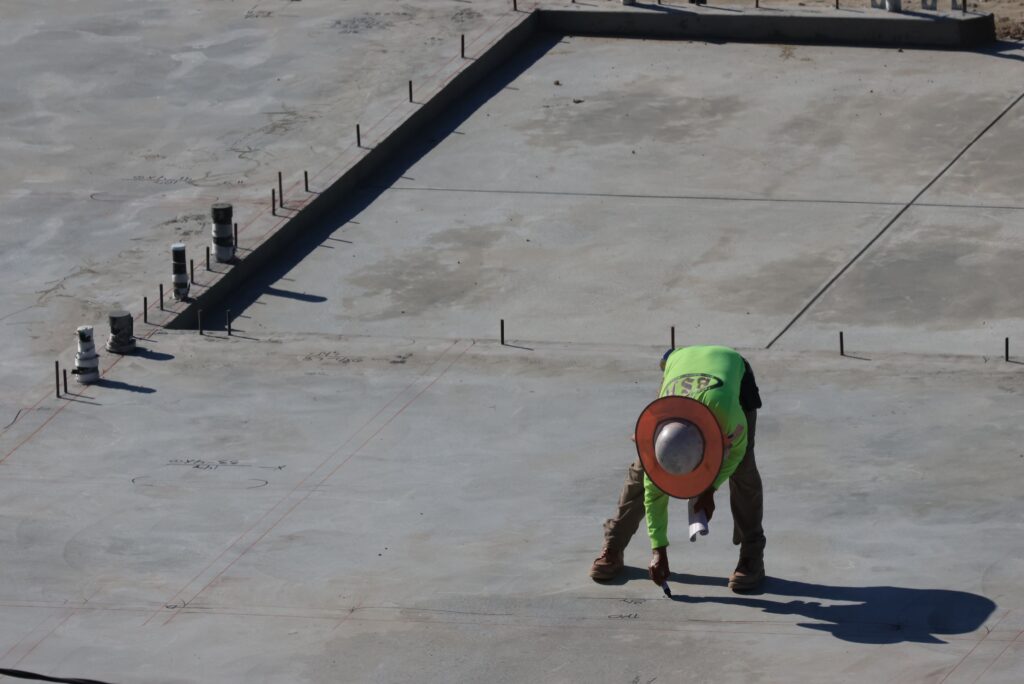
Underpinning begins with investigation and an engineering plan before work starts on site.
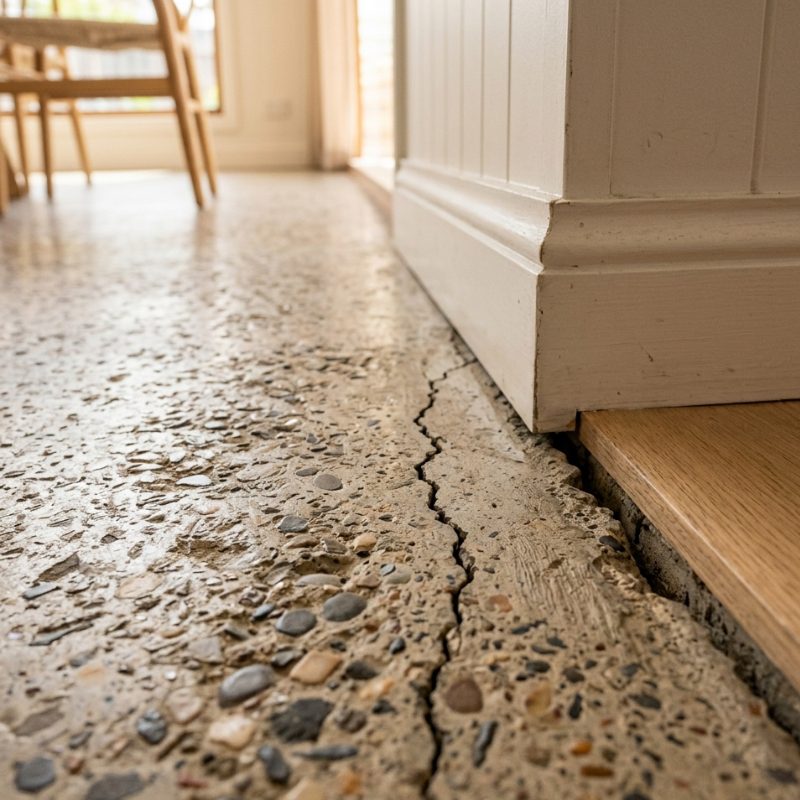
A void is a gap where concrete should be supported by firm ground.
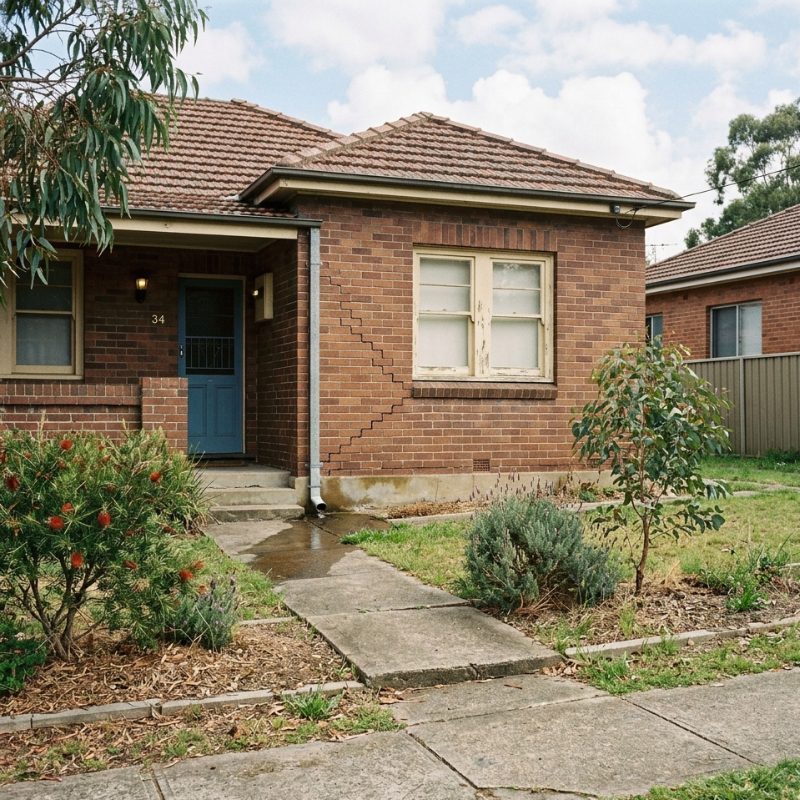
Foundation trouble often appears as several small changes rather than one dramatic event.
Cracked-wall repair costs depend on the crack type, wall material and underlying cause.
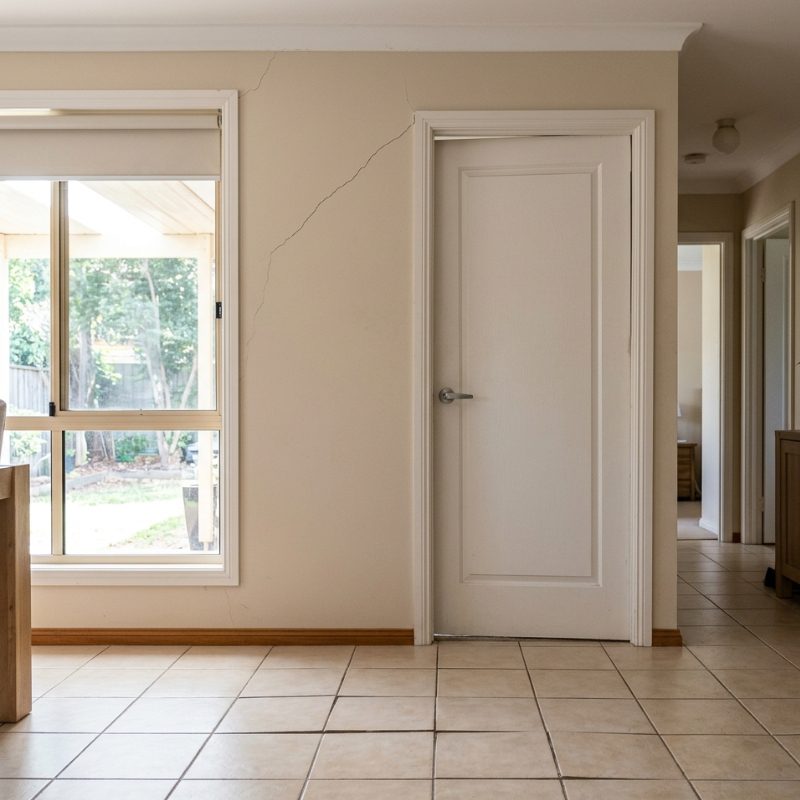
Recurring cracks, tile movement, new gaps and changing door behaviour can signal slab movement.
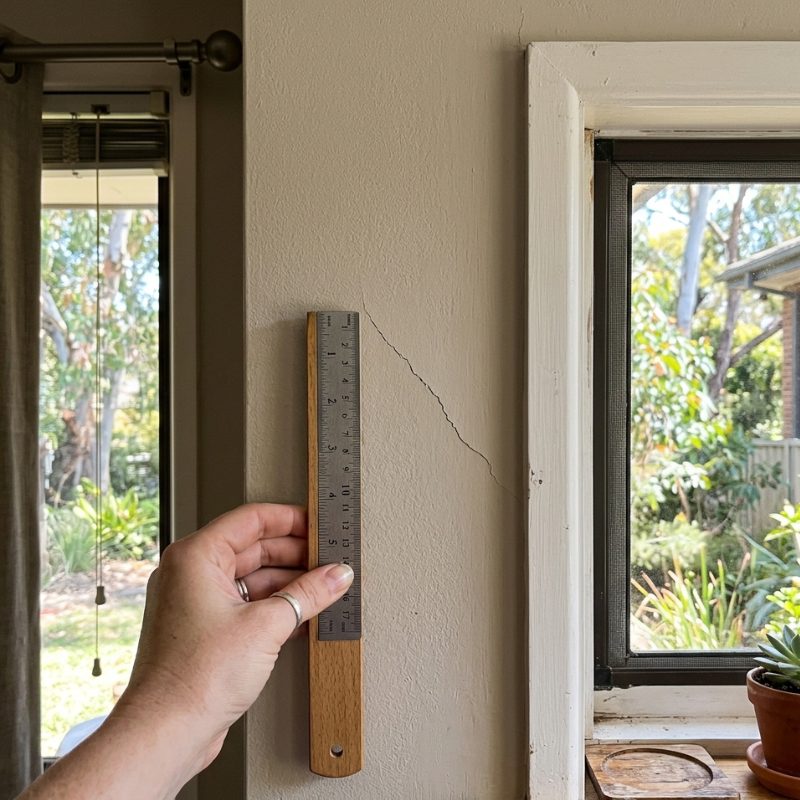
Some house movement is seasonal or minor; worsening patterns deserve closer attention.
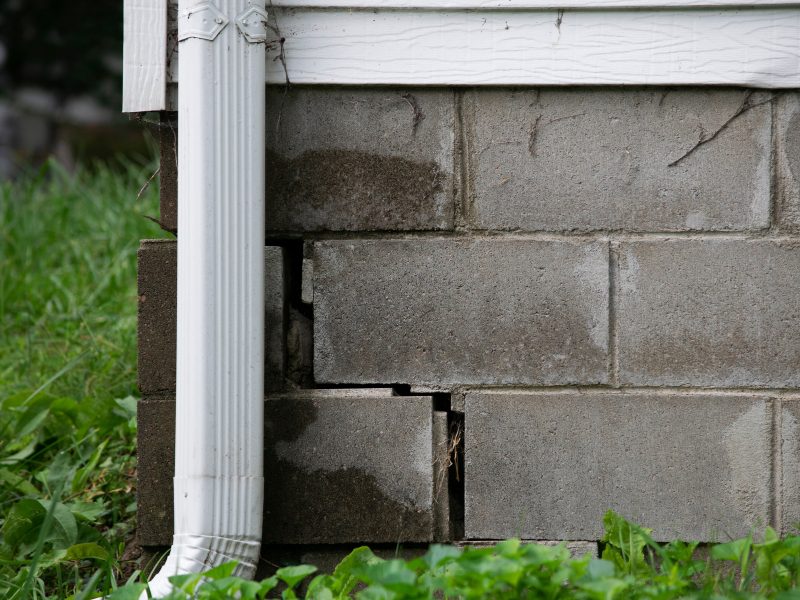
House relevelling aims to correct a building's position after movement has occurred.
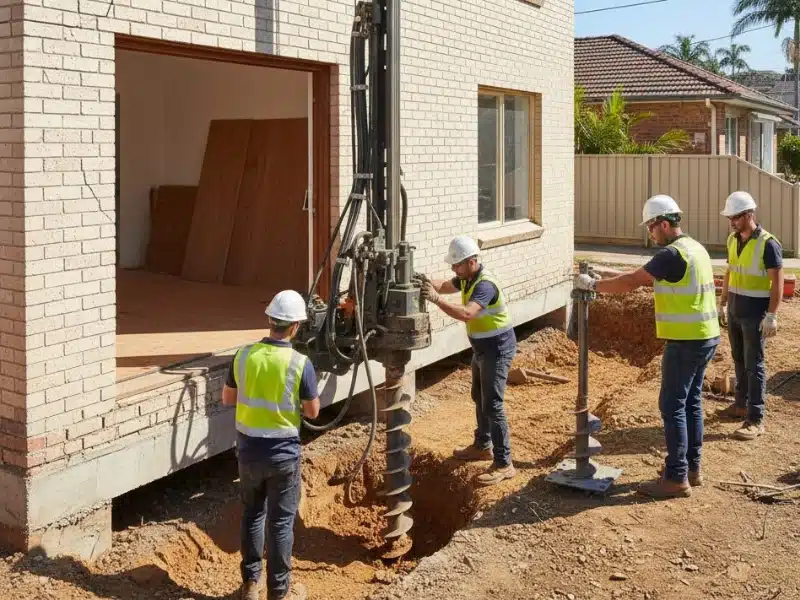
Traditional underpinning extends foundation support; resin injection improves suitable ground in place.
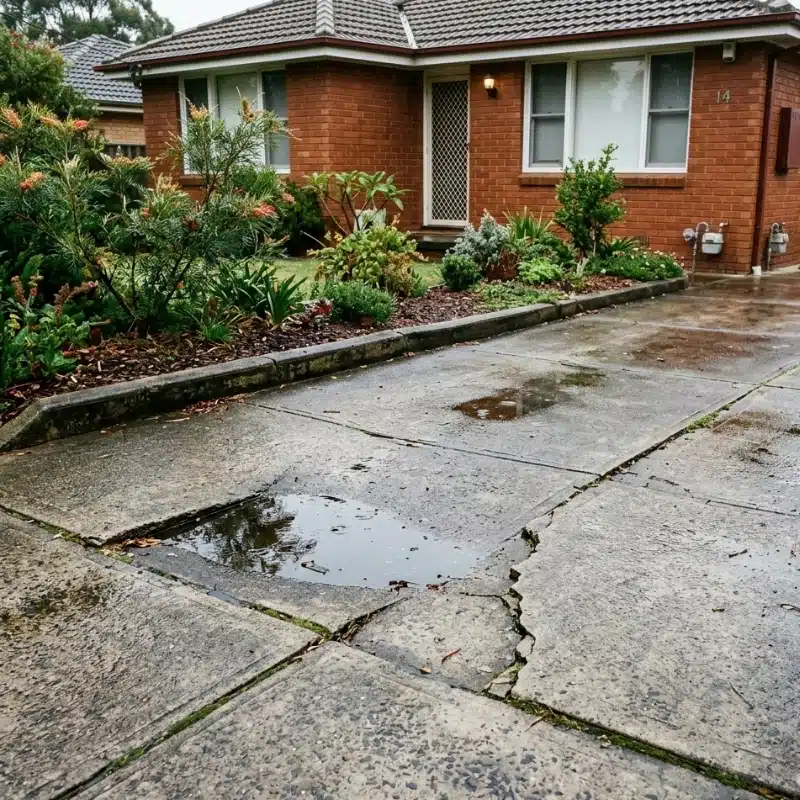
Sinking driveways commonly lose support through washout, poor compaction or changing soil moisture.
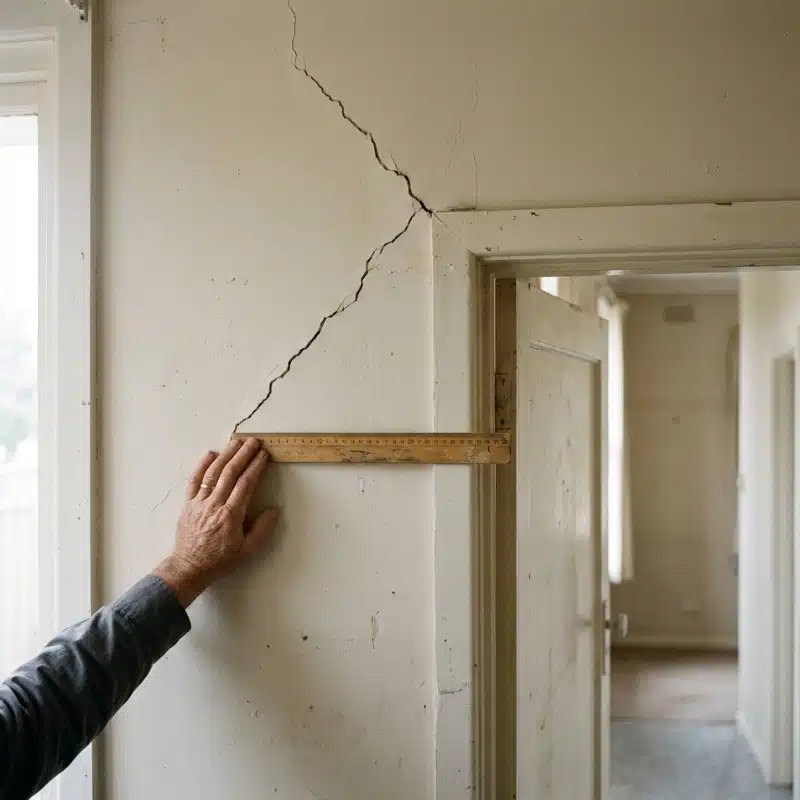
A crack's pattern, location, development and related symptoms matter more than its presence alone.
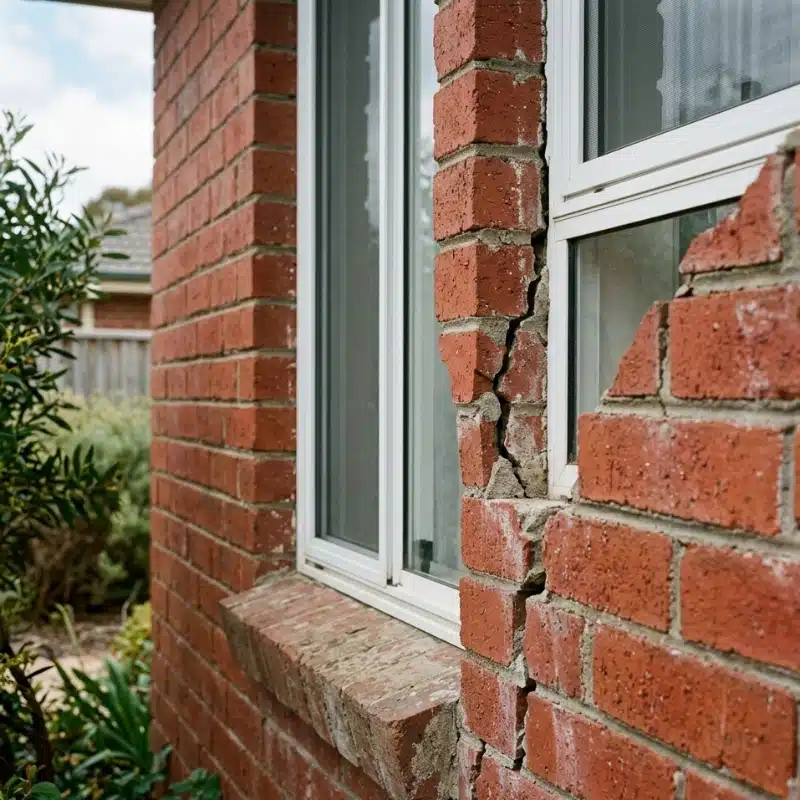
Stair-step cracks, sticking doors and uneven floors are useful clues when they occur together.
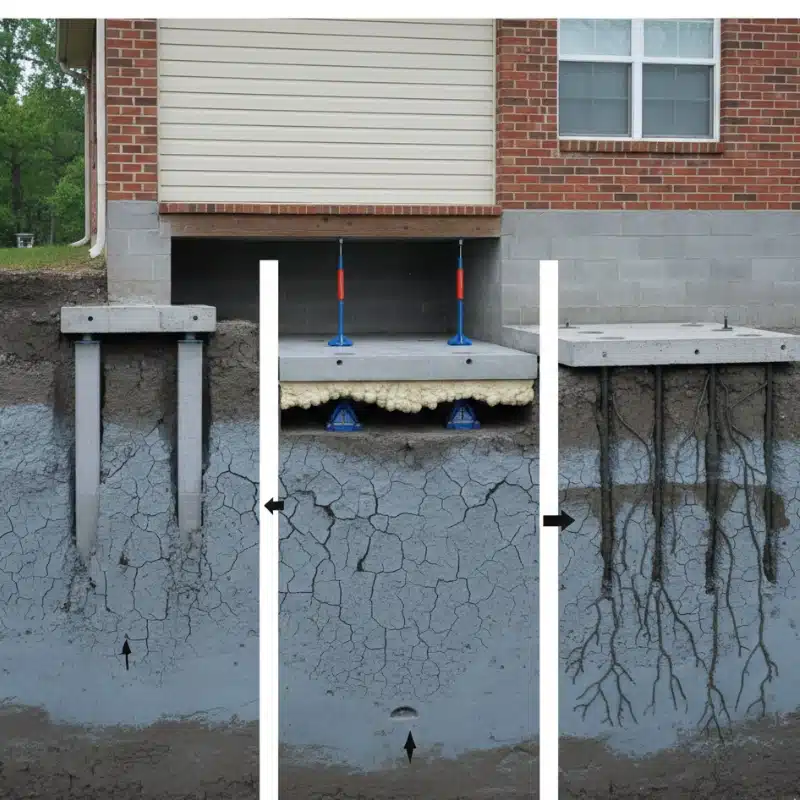
Underpinning, slab jacking and grouting address different causes and forms of subsidence.
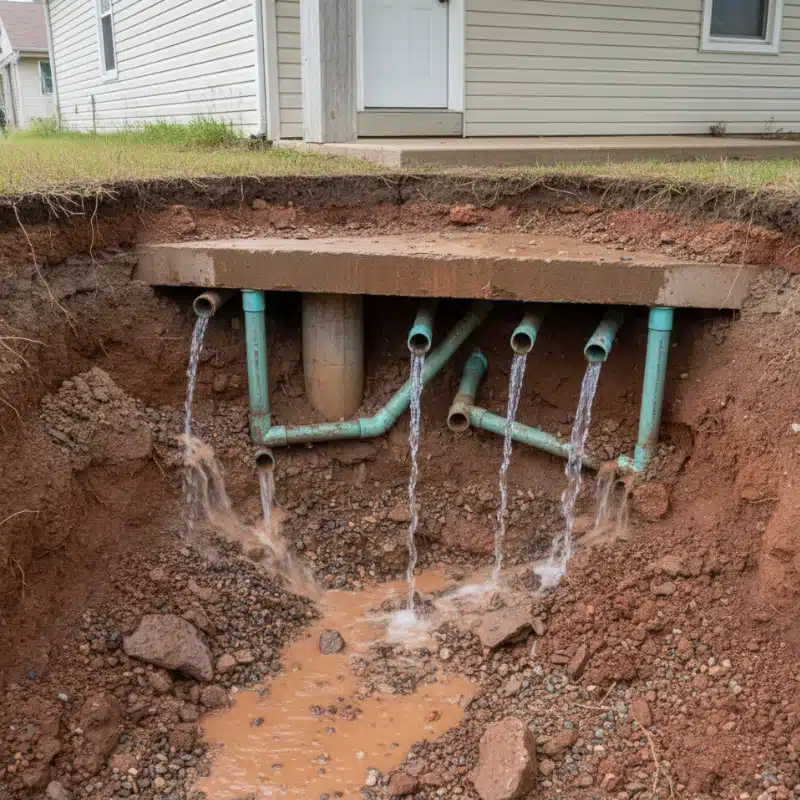
Hidden leaks and poor drainage can swell, soften or wash away soil beneath foundations.
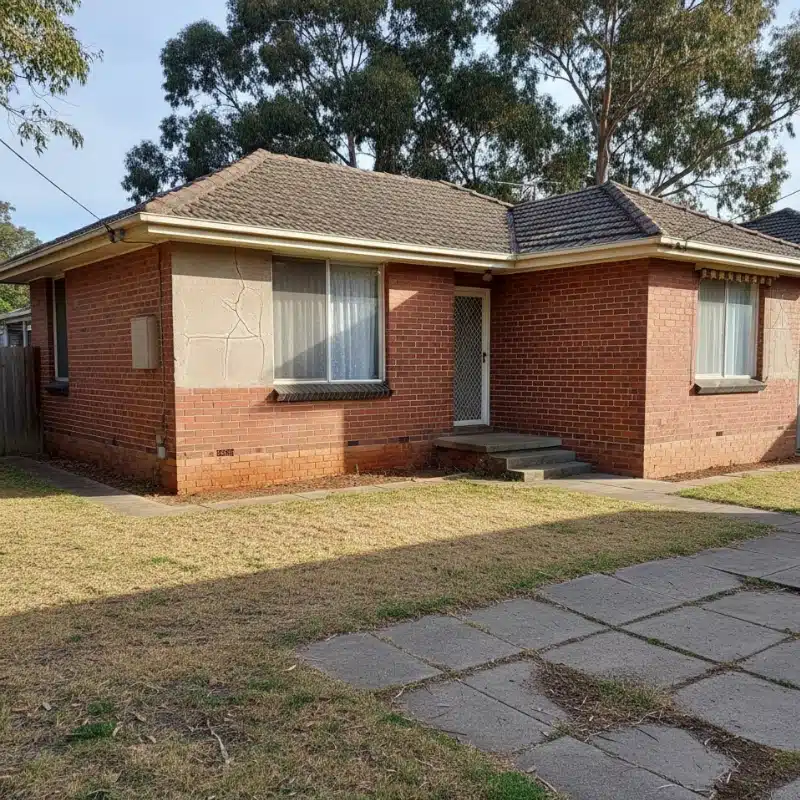
Melbourne's reactive clay soils can move as moisture conditions change.
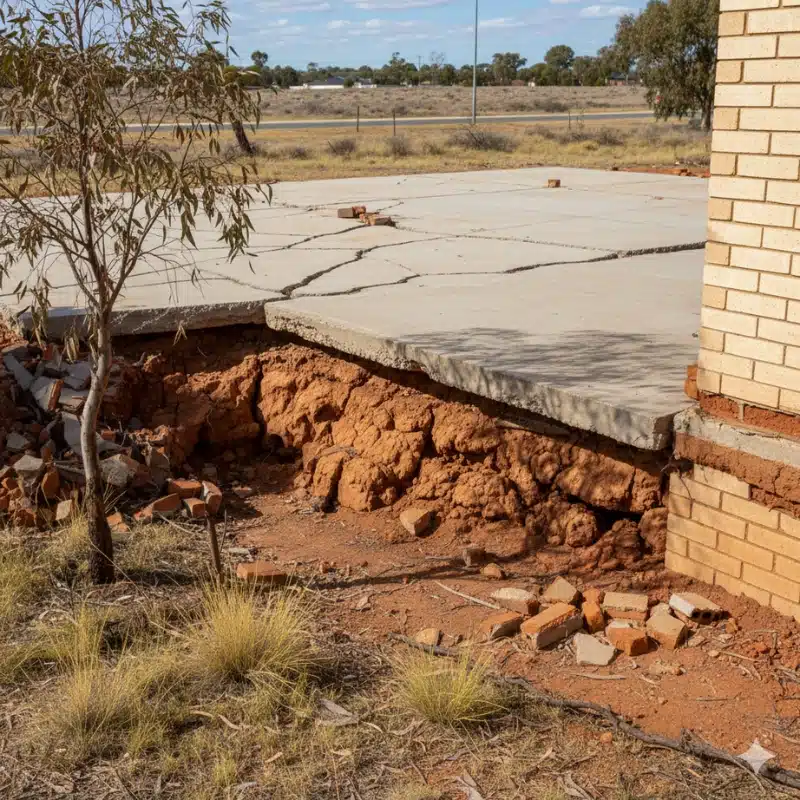
Reactive clay expands when wet and contracts when dry, placing stress on foundations.
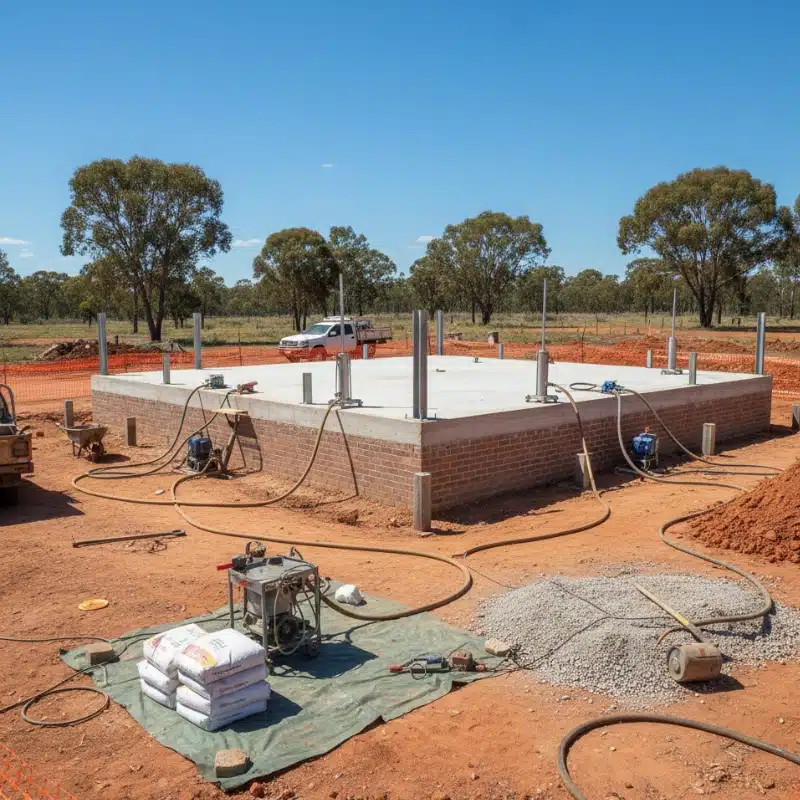
Underpinning, relevelling and slab lifting address different aspects of building movement.
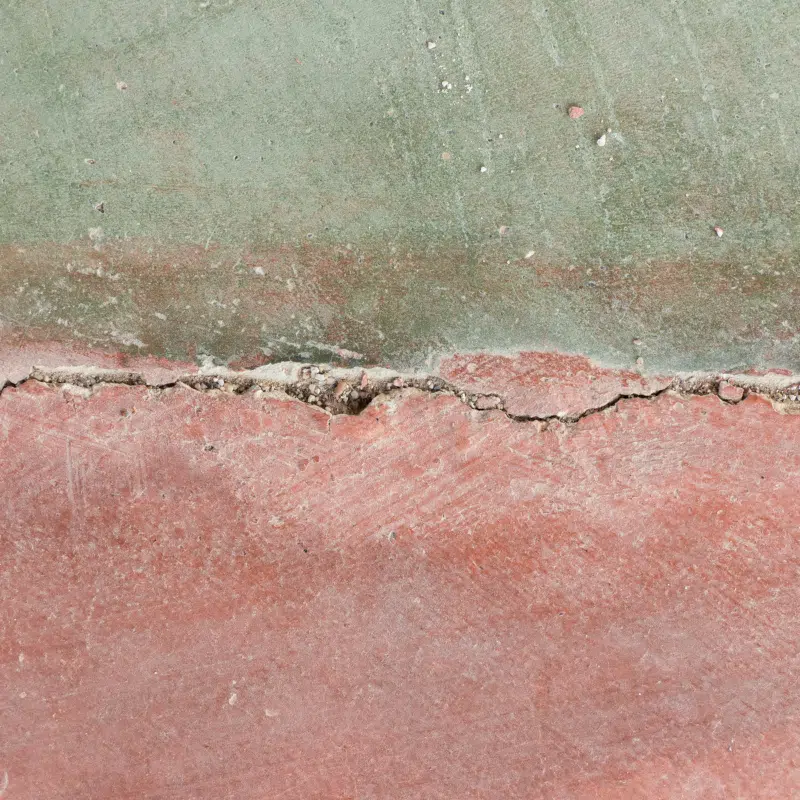
Foundation problems can appear as recurring wall cracks, floor damage, gaps or sticking doors.
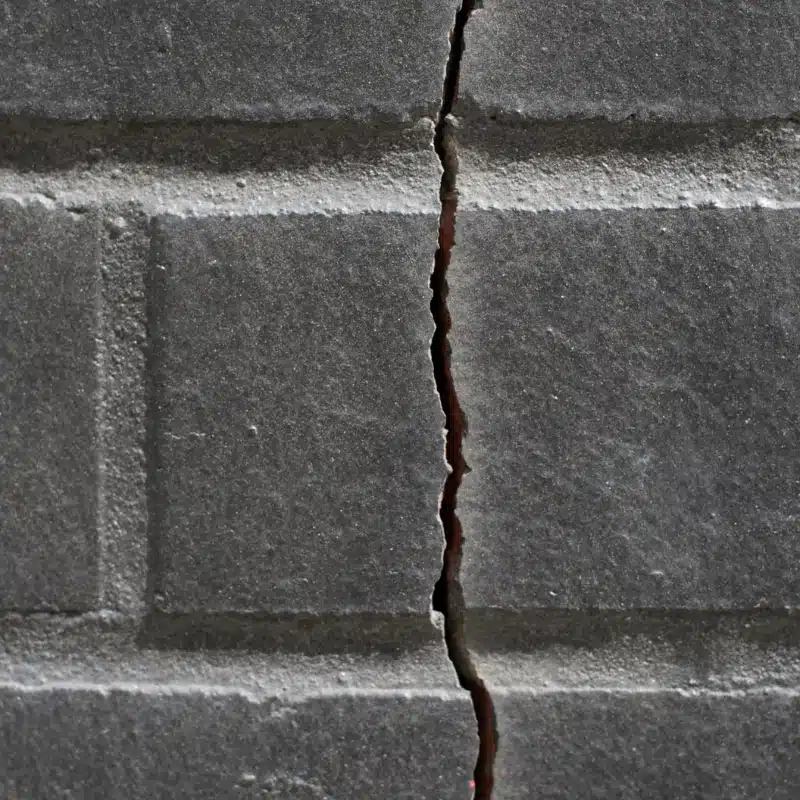
A sinking house usually involves uneven movement in the supporting ground or foundations.
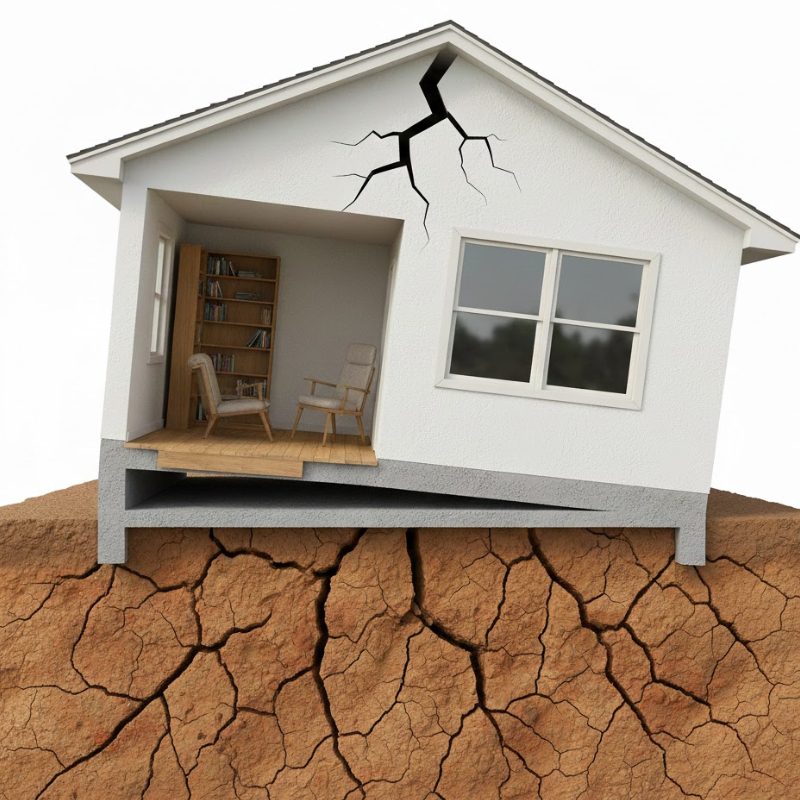
Sinking floors can result from reactive soils, settlement, failed supports or loss of ground beneath a slab.
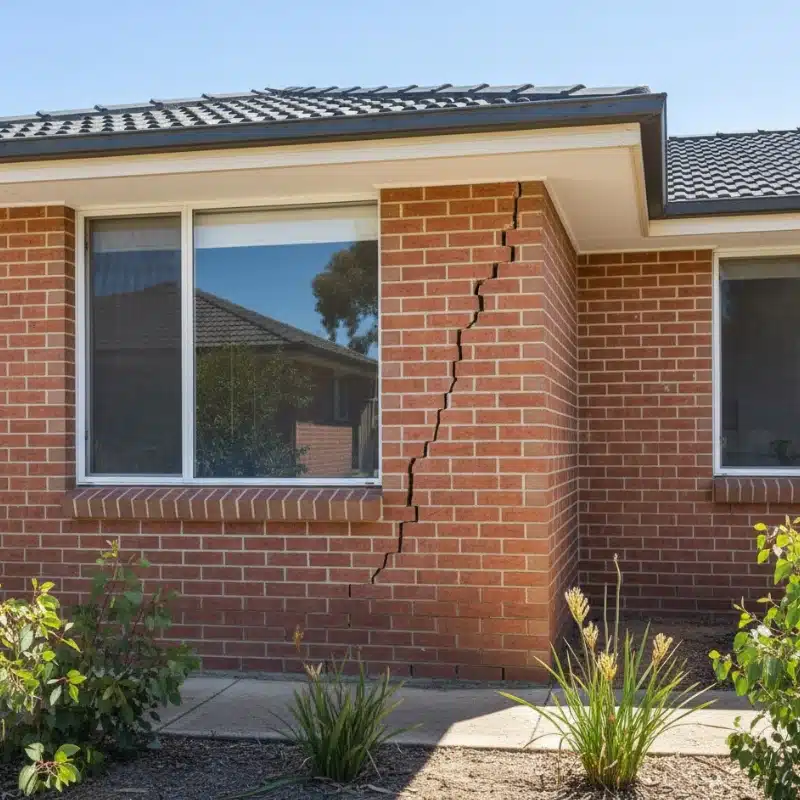
Fine plaster cracks are common, but growing or distinctive crack patterns can indicate a deeper issue.
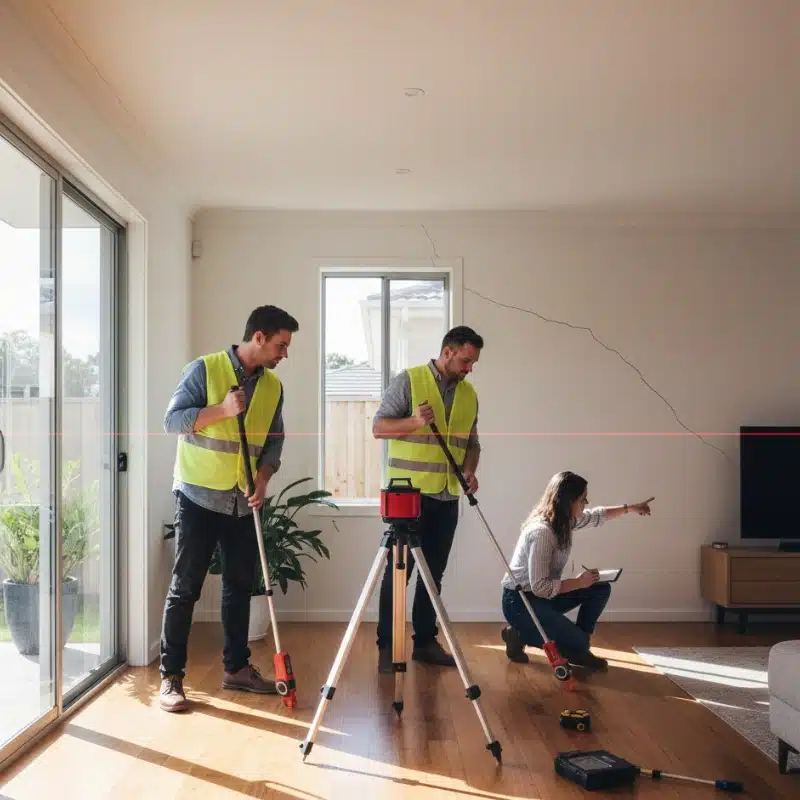
Diagnosing an unlevel building involves recording symptoms, measuring movement and investigating its cause.
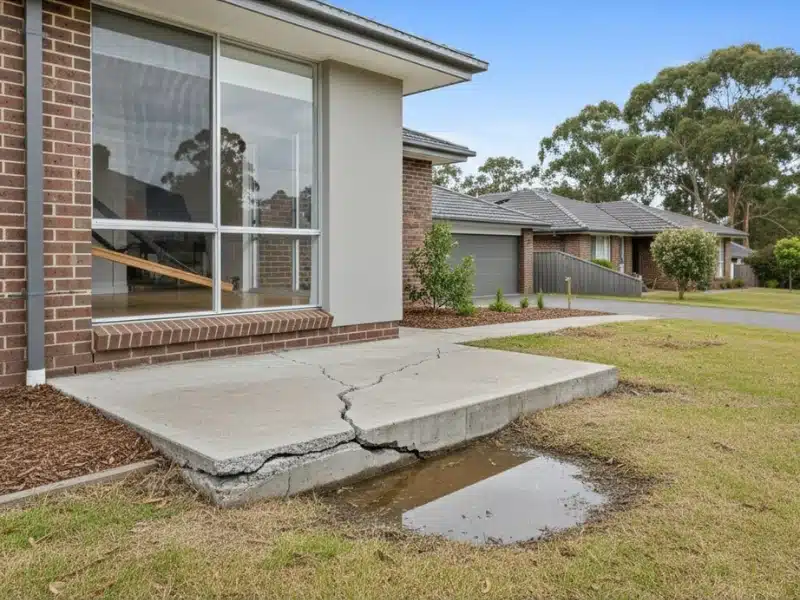
Growing cracks, new puddles, sticking doors and uneven surfaces can be early signs of sinking concrete.
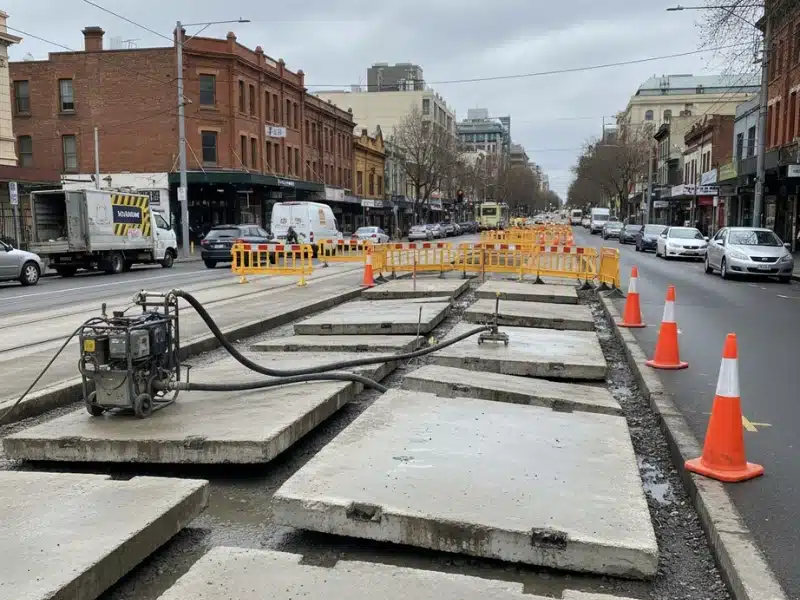
Road slab-jacking requirements depend on the condition of the concrete, ground and site.
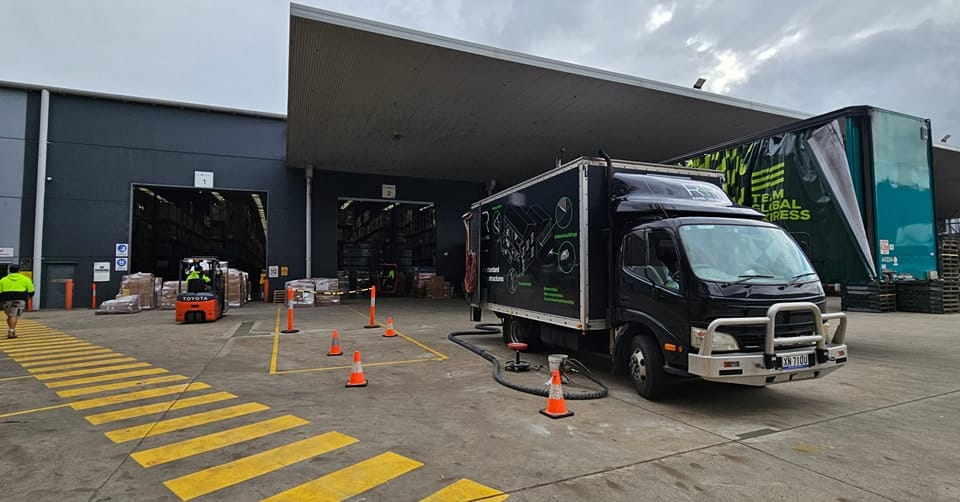
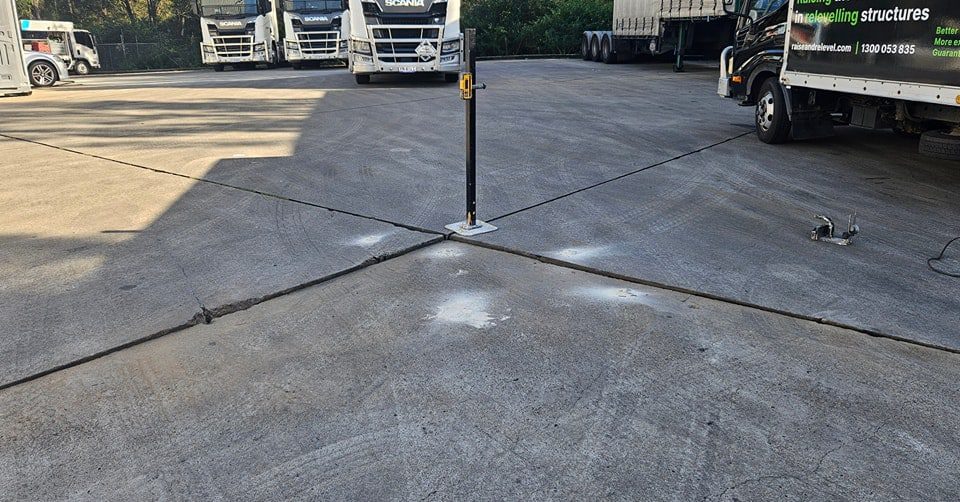
Commercial and industrial slab-jacking projects have different loading, access and slab requirements.
Underpinning strengthens foundation support where the ground no longer carries the building reliably.
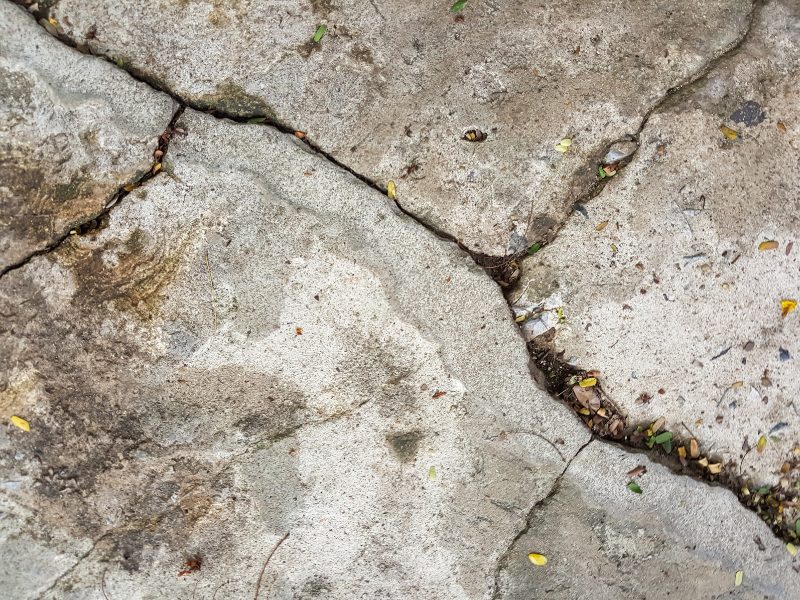
Concrete levelling aims to restore an uneven surface and improve its usability.
An underpinning method should follow the ground conditions, building load and engineering findings.
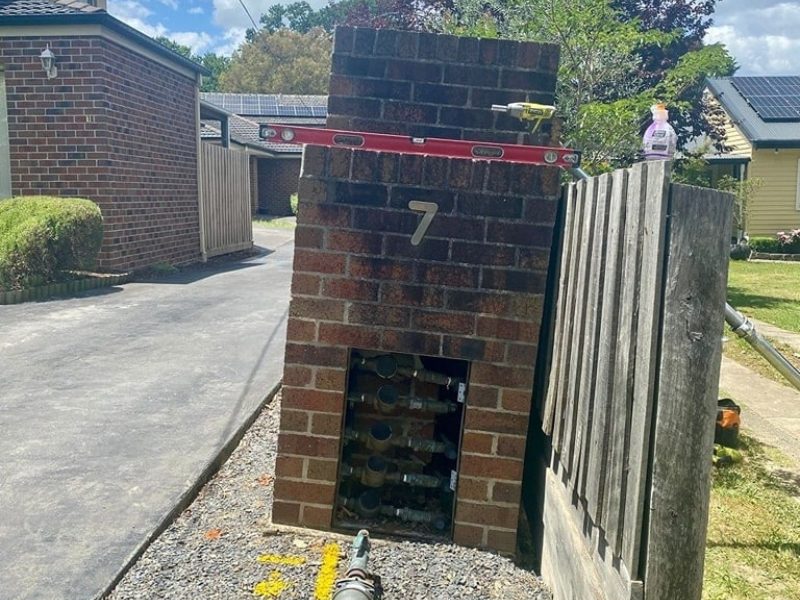
Growing cracks, uneven floors and sticking doors can be early signs of subsidence.
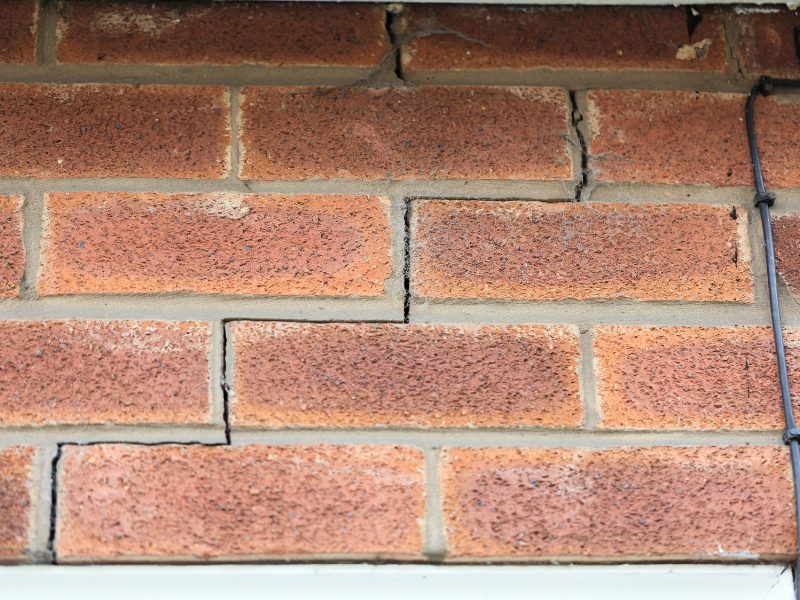
Subsidence repair should match the underlying cause and the property's ground conditions.
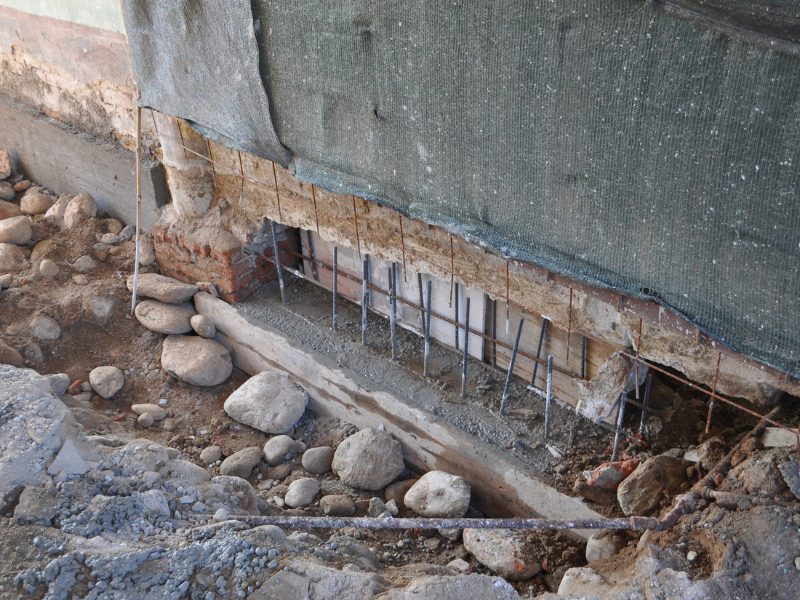
Underpinning supports a moving wall by transferring its load to more stable ground.
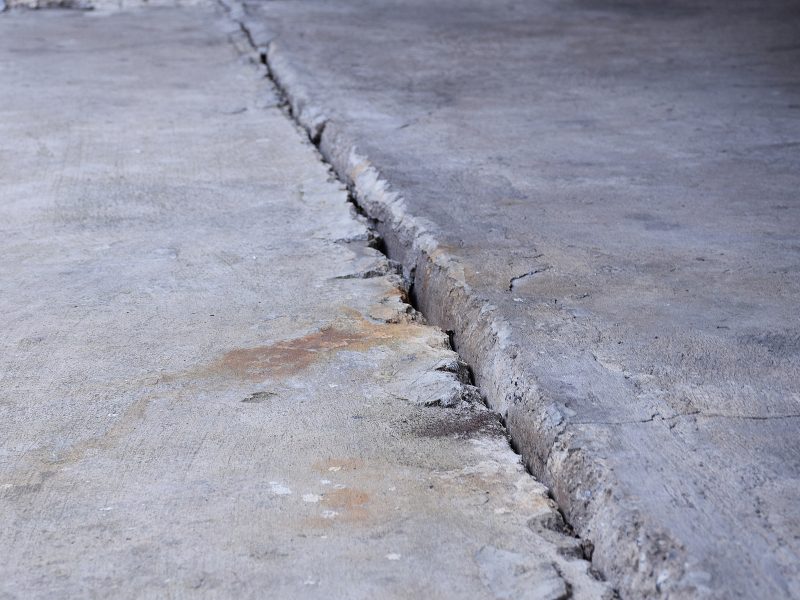
Uneven workplace concrete can cause trips, equipment instability and operational disruption.
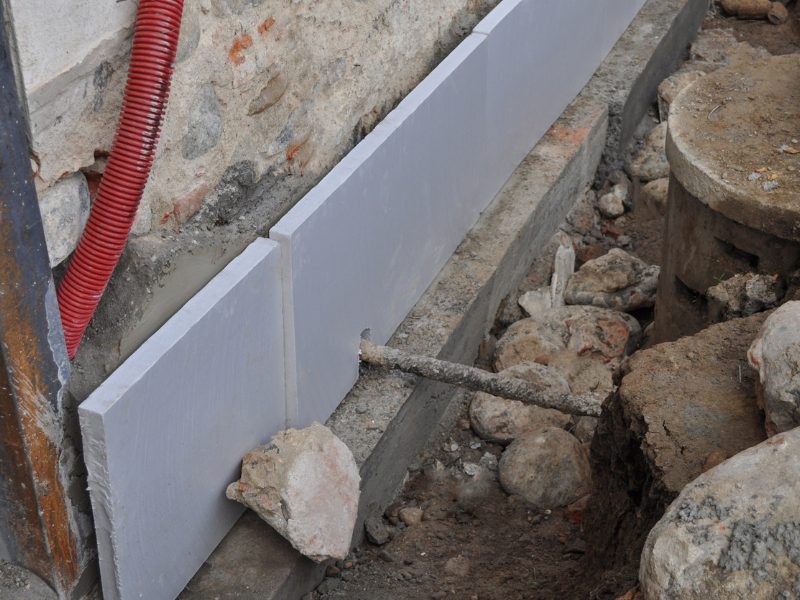
Weak foundations can lead to progressive cracking, settlement and structural distortion.
Foundation failure occurs when existing support can no longer reliably carry the building.
Underpinning supports foundations that can no longer reliably carry the house.
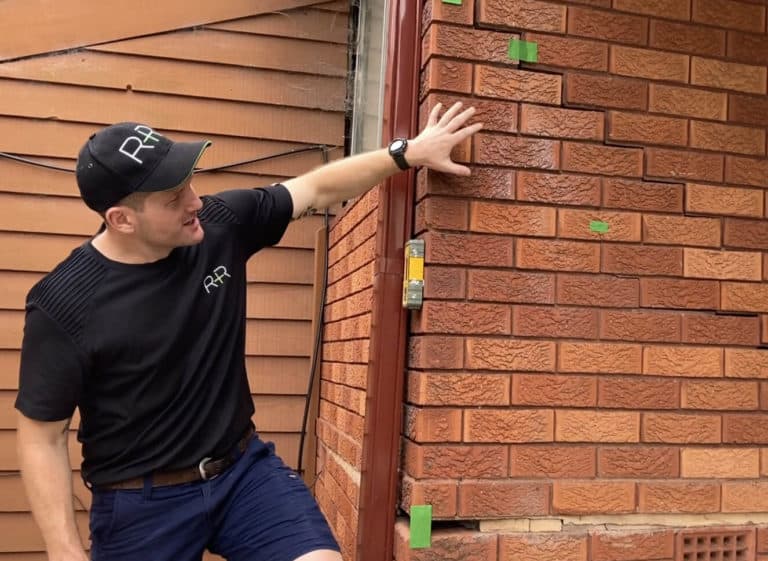
Subsidence is downward ground movement that can leave a home unevenly supported.
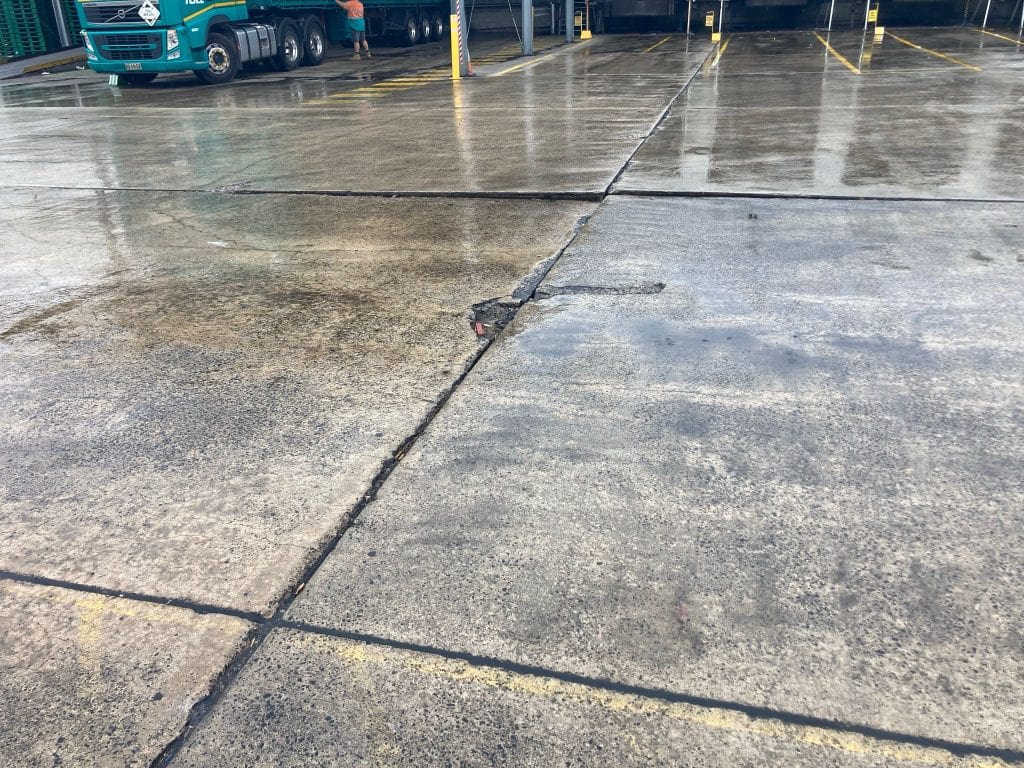
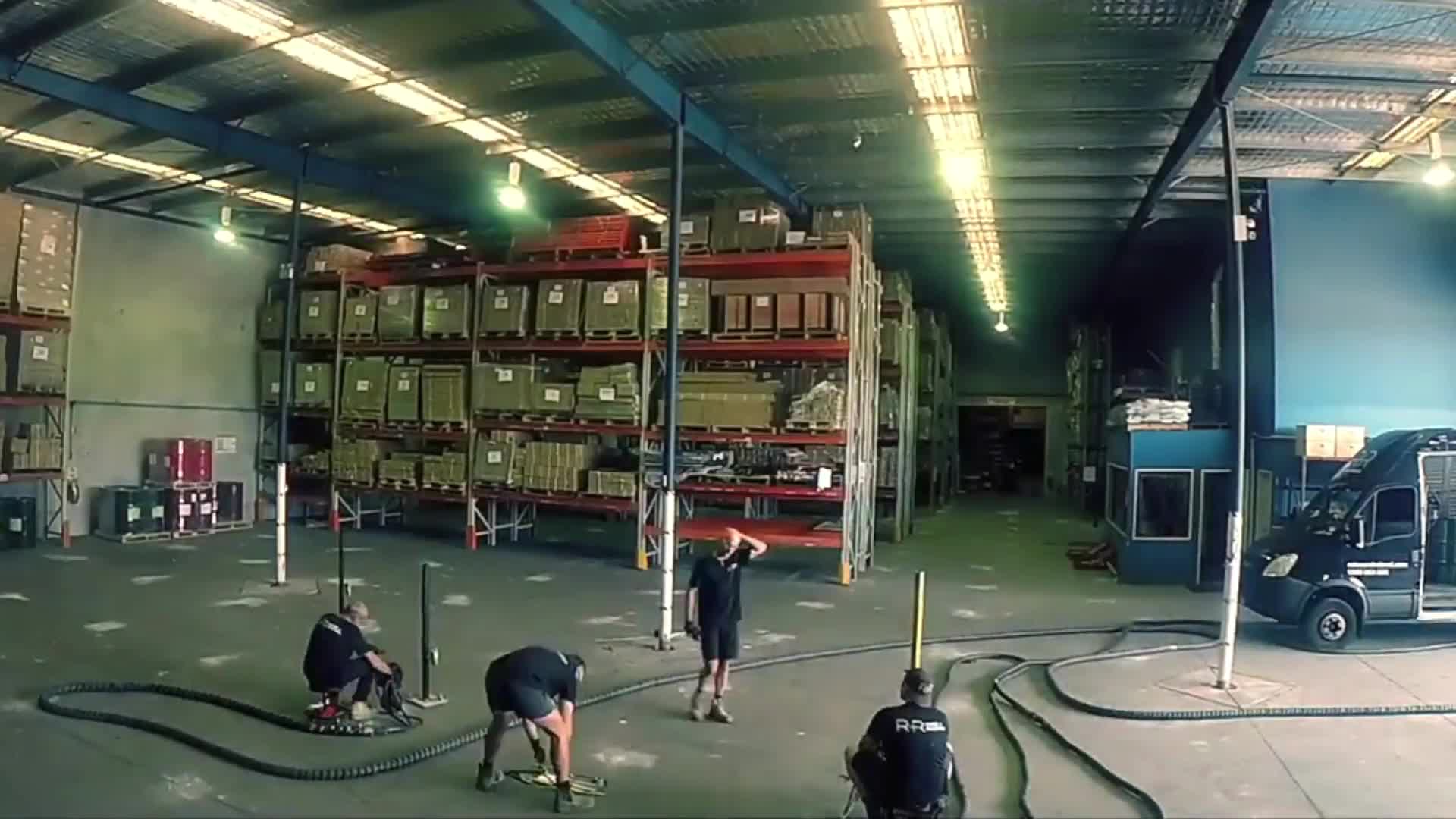
Sinking warehouse floors can create unstable forklift routes, damaged stock and operational hazards.
Uneven floors and structural movement can affect safety and usability in aged-care facilities.
Subsidence can affect playgrounds, pools, courts and other outdoor recreation areas.
Subsidence prevention starts with recognising changes in the ground and maintaining the property.
Garage-floor cracks can relate to concrete quality, control joints, soil movement or temperature changes.

A useful home office starts with a suitable location, flexible layout and effective use of space.
Relevelling and rebuilding are different options for a home affected by movement.
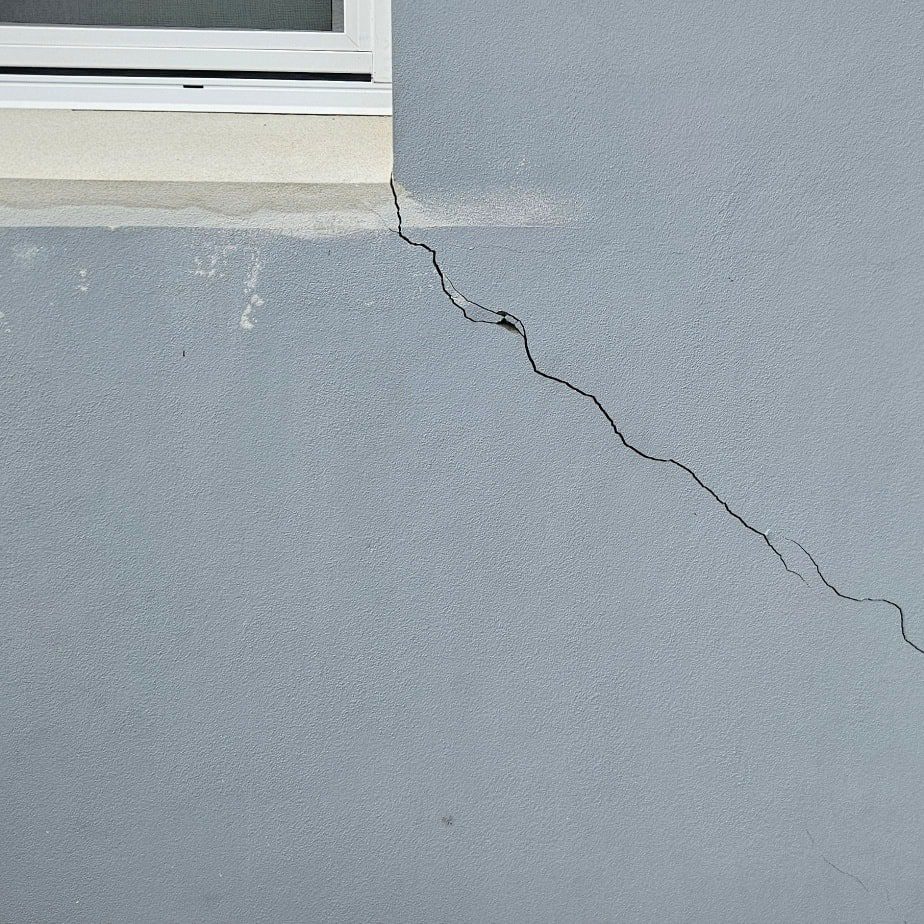
Underpinning strengthens a foundation using a method suited to the building and ground conditions.
Voids form when a slab loses supporting material underneath it.
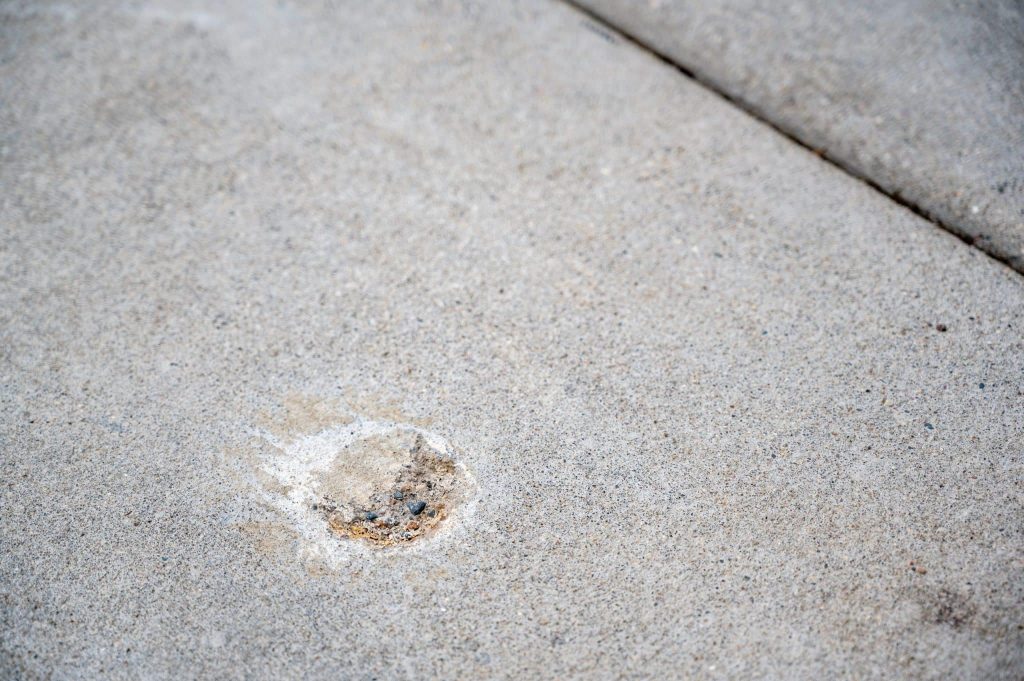
Slab jacking raises settled concrete by injecting material through small holes.
Underpinning provides additional support to a foundation affected by movement or failure.
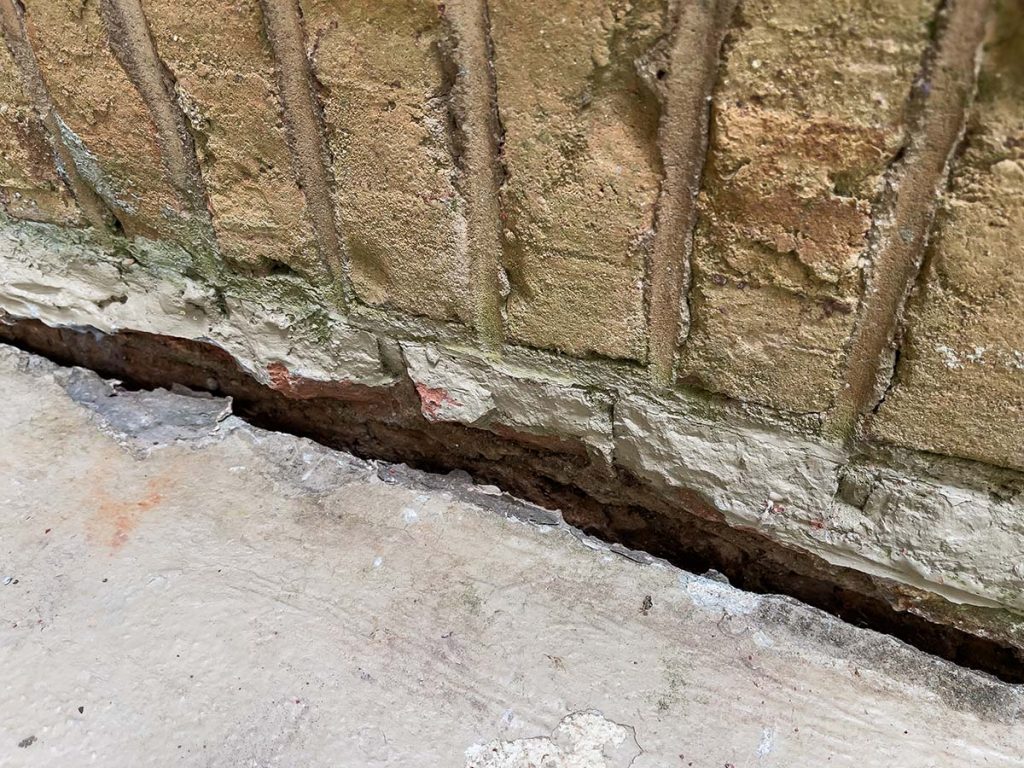
Footings and slabs can sink when the supporting ground changes or loses stability.
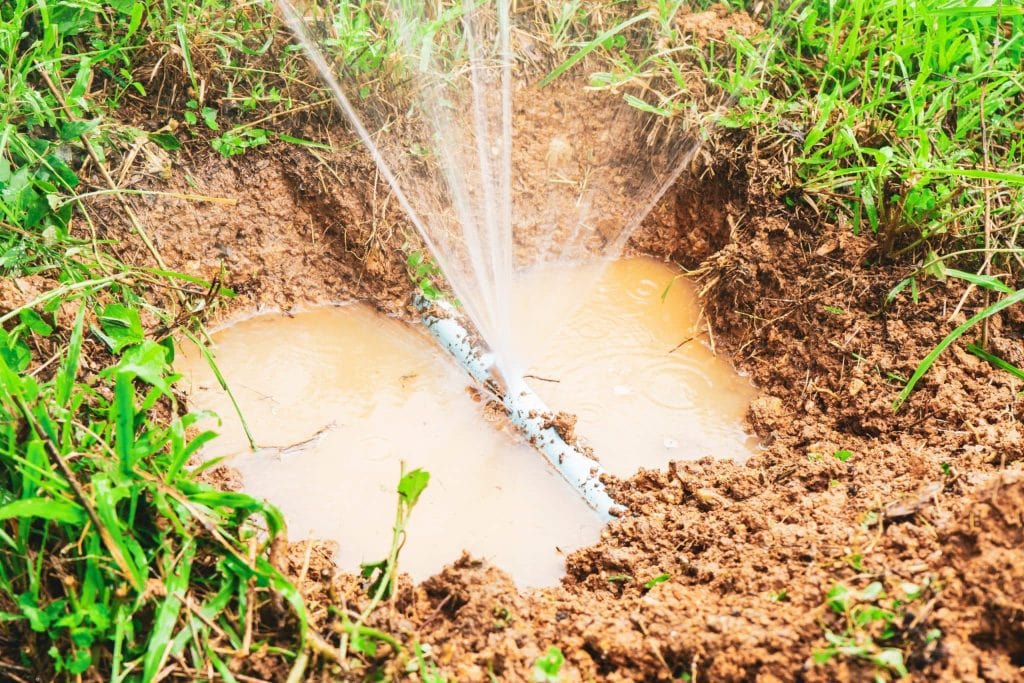
Hidden plumbing leaks can affect the soil supporting a home's foundations.
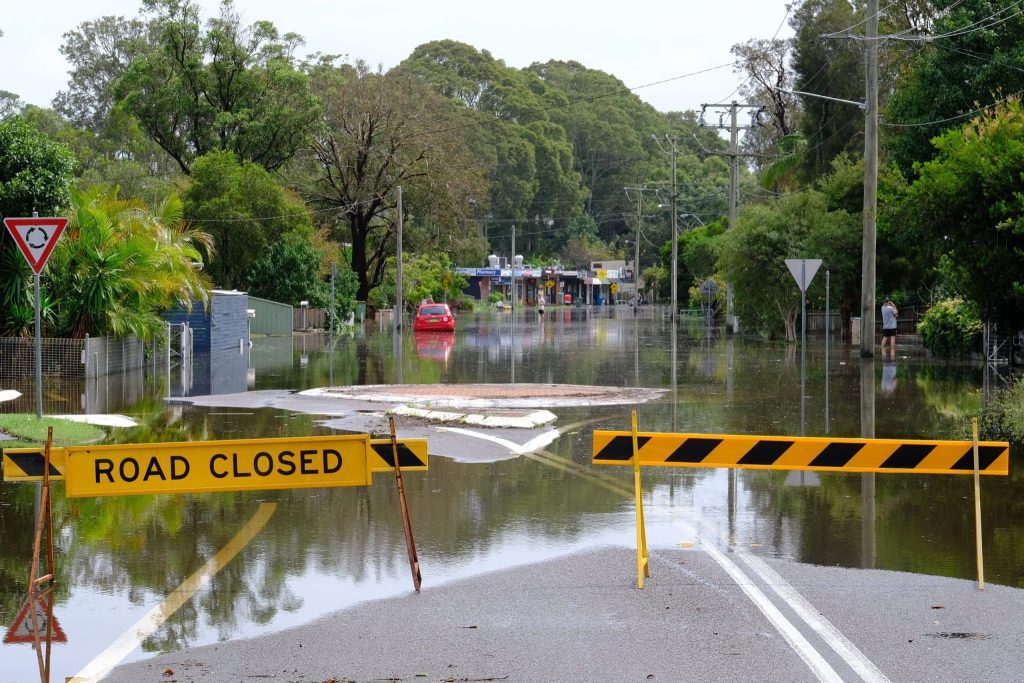
The article covers controlling the water source, assessing damage and organising cleanup after flooding.
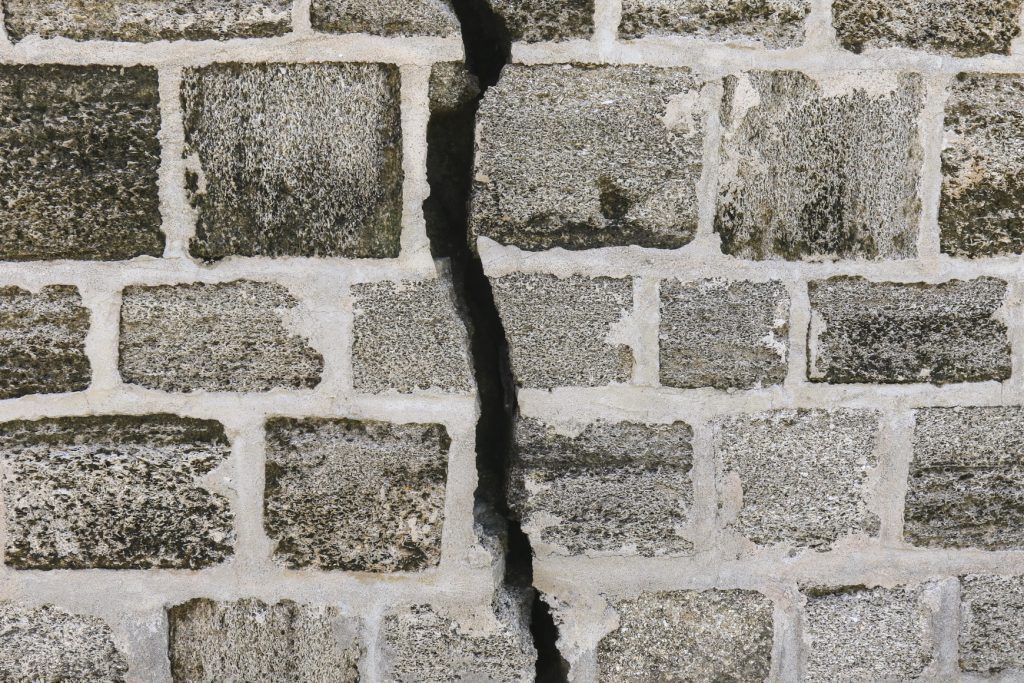
Wall-crack repair costs depend largely on whether the damage is cosmetic or structural.
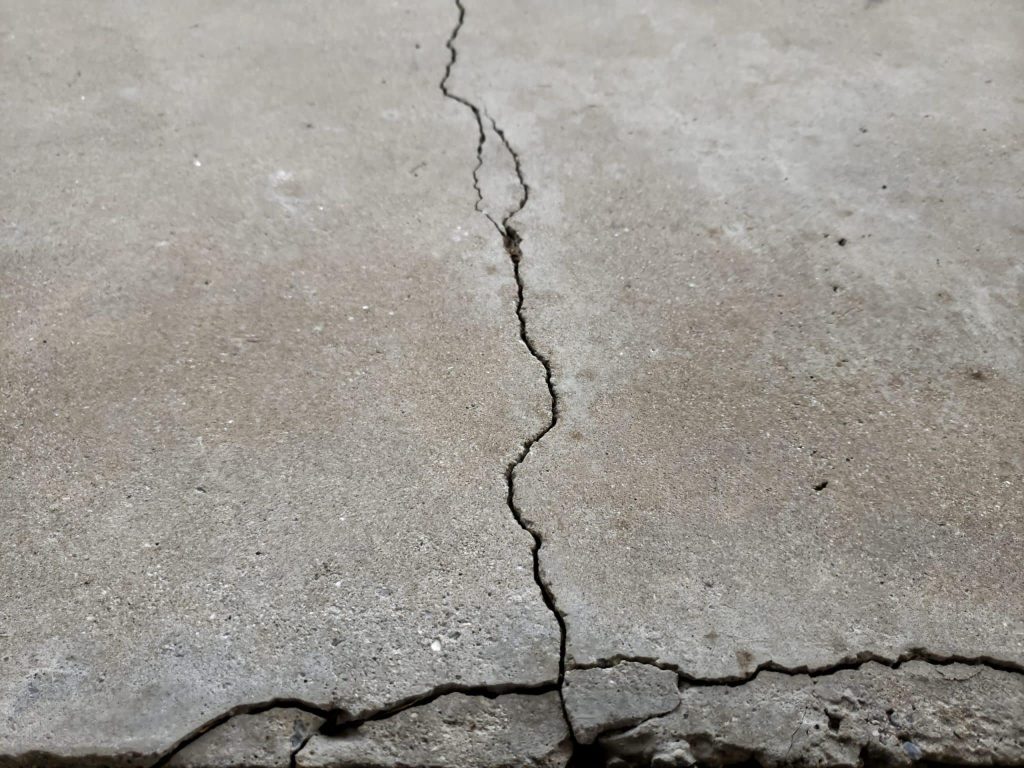
Voids under concrete reduce support and can affect a building's foundation slabs.

Subsidence can complicate a property sale or purchase because it raises questions about the structure.
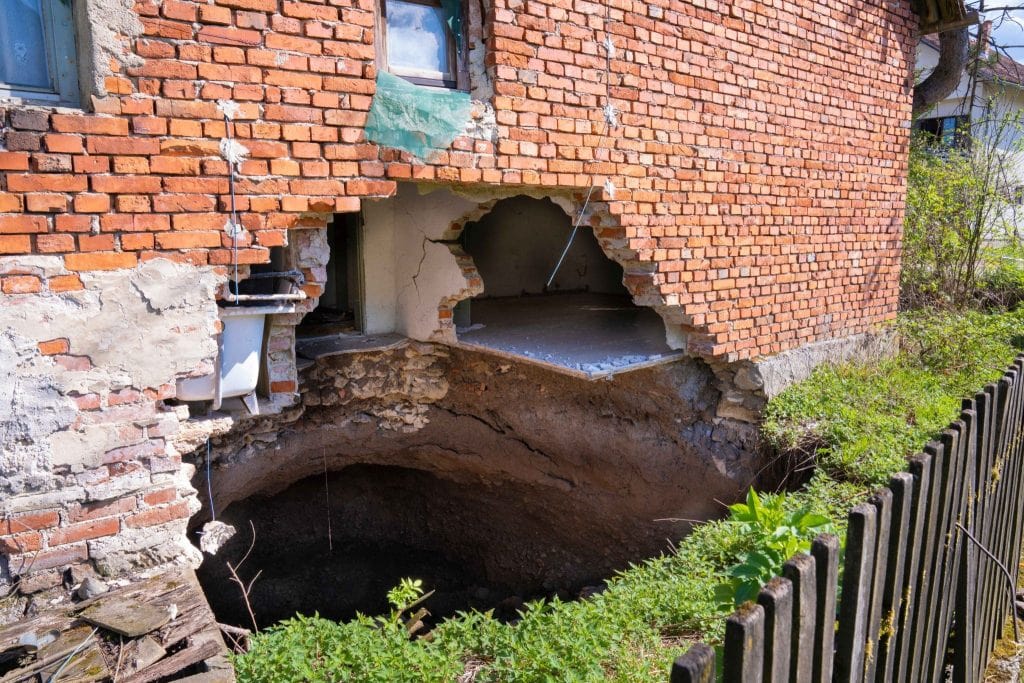
Sinkholes develop where ground support is lost into cavities or voids below the surface.
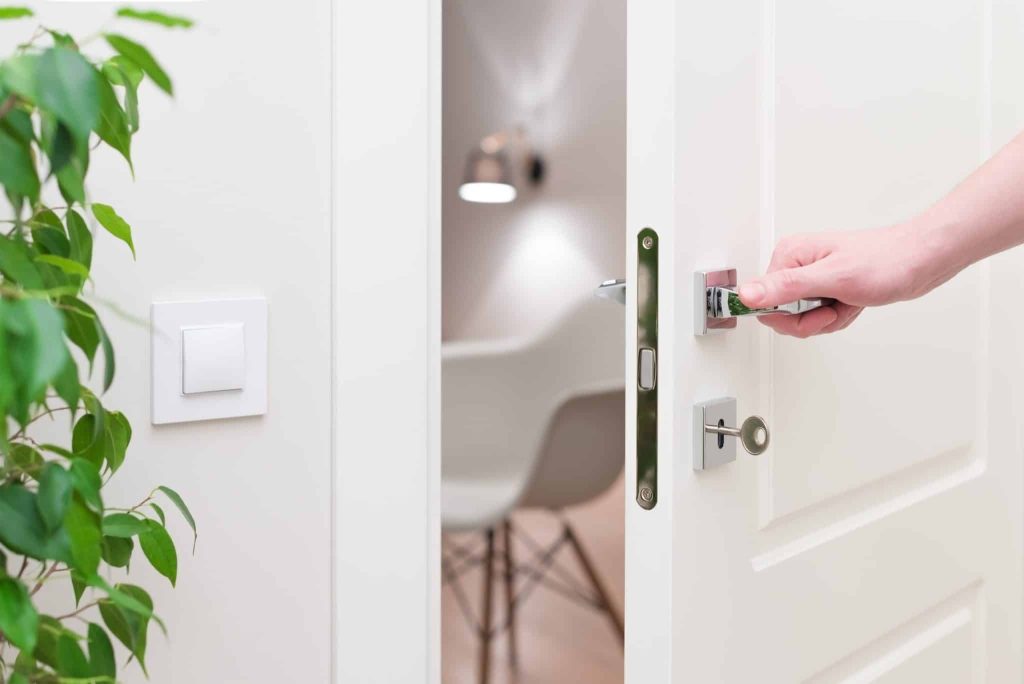
Jammed doors and windows can sometimes be a symptom of building settlement.
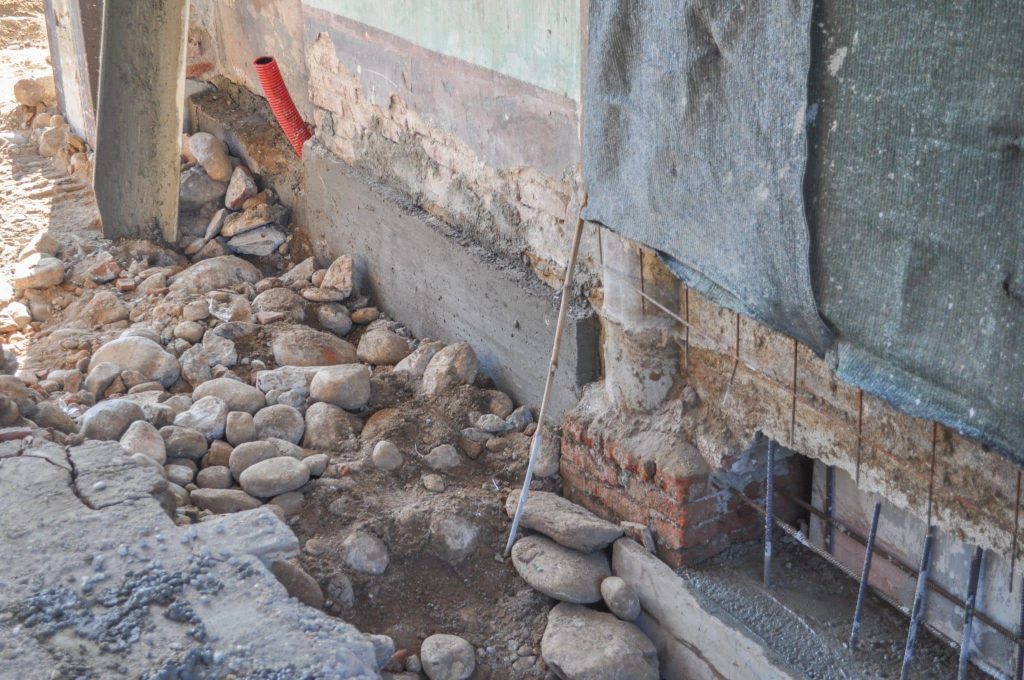
Underpinning and injection-based ground improvement suit different ground and foundation problems.
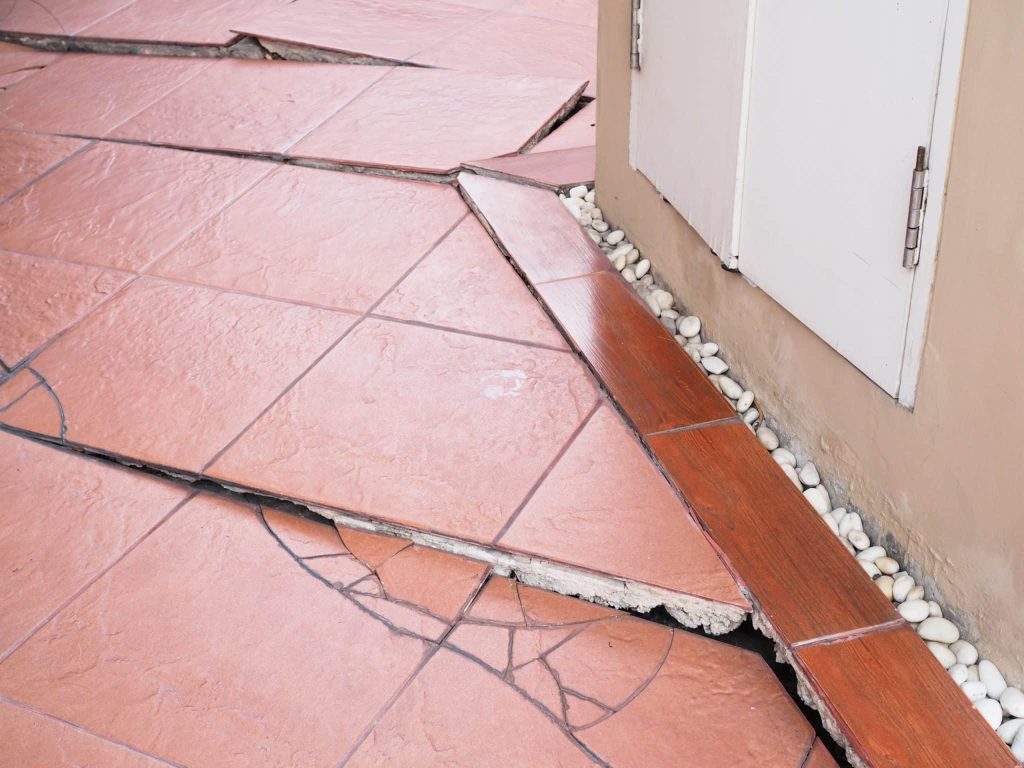
Subsidence occurs when the ground supporting a home sinks or becomes unstable.
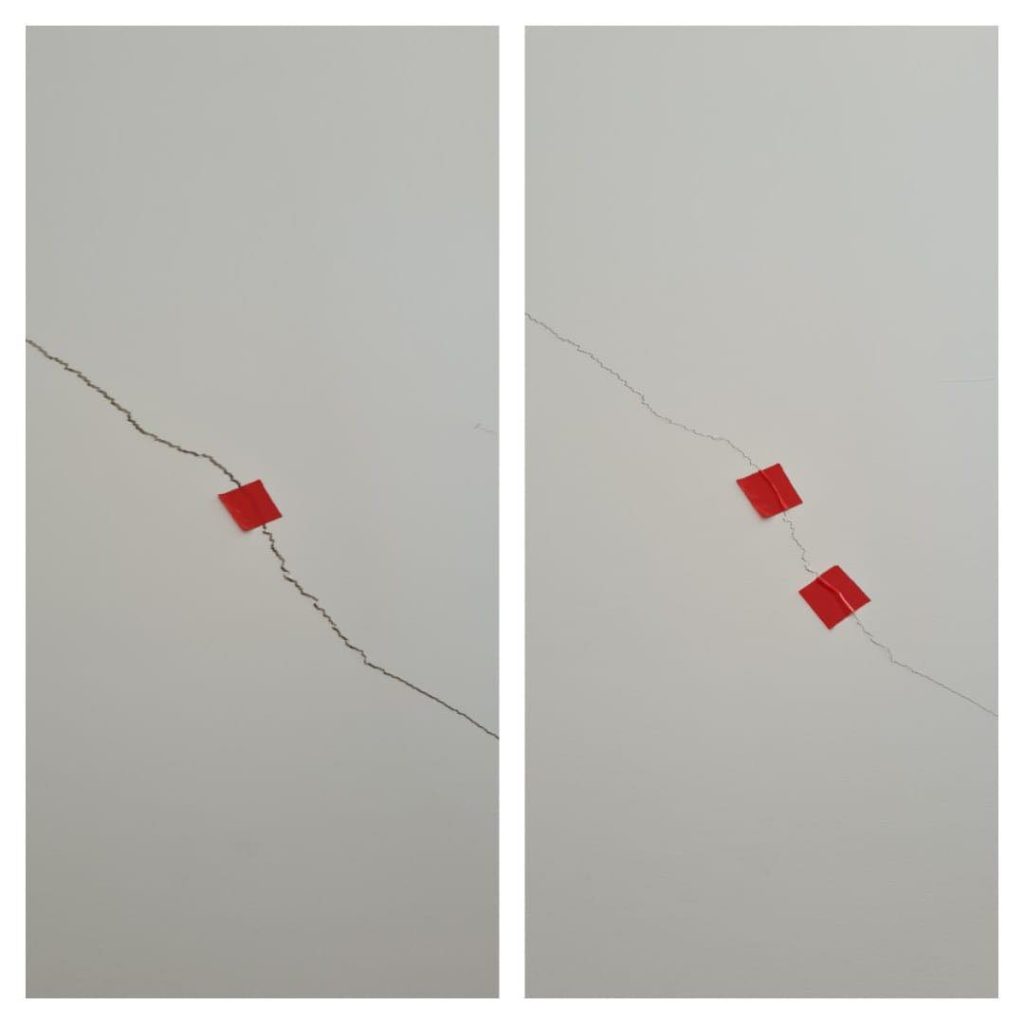
Some wall cracks are cosmetic, while others can indicate settlement or subsidence.

Your home is everything to you and your family, so before going ahead with any subsidence repairs, we’ve put together a list of questions our customers should ask:
We offer advice, not sales, so we don’t employ salespeople. The person who quotes your job does your job, and has been relevelling homes like yours for over 15 years.
Our specialists have raised over 7,000 homes in total.
If the problem returns, we return. We provide a fully guaranteed warranty on materials and workmanship.
At R+R, we have no call centres, no sales people and minimal overheads, all of which enables us to provide the best value for our customers.
R+R will deliver you better value, through real experience, with guaranteed results.
At Raise + Relevel, experience matters. With a century of combined expertise and over 7,000 homes relevelled, we deliver lasting results—guaranteed.
Every home is unique. We provide tailored solutions at the best value, ensuring stability without compromise.
Tell us what you’ve noticed. Share a few details to request your free site assessment.
4.8 / 5152 Google reviews across NSW, VIC + QLD ↗Photo 1 of 1