The key points, at a glance.
- Relevelling and rebuilding are different options for a home affected by movement.
- The building's condition, repair extent, future plans and budget influence the decision.
- Compare disruption, approvals and the full project scope rather than the headline cost alone.
If your house has sunk, tilted or cracked, you may be weighing two very different paths. You can relevel and repair the home you have, or knock it down and rebuild. Both can be the right answer. This guide compares house releveling (often spelt releveling) with demolition and rebuilding, so you can see which fits your house, your budget and your plans for the block.
At Raise & Relevel, we lift and stabilise houses affected by subsidence and ground movement. We do not build new homes. That means we have no reason to talk you out of a rebuild when it is the better choice, and we will tell you when it is.
Should you relevel or rebuild your house?
Relevel and repair if the structure is sound and the problem is ground movement under it. Rebuild if the house is failing for other reasons, such as rot, termites, worn-out services, or a layout that no longer works, or if you already plan to replace it. An engineer’s assessment of the cause and damage is the best start.
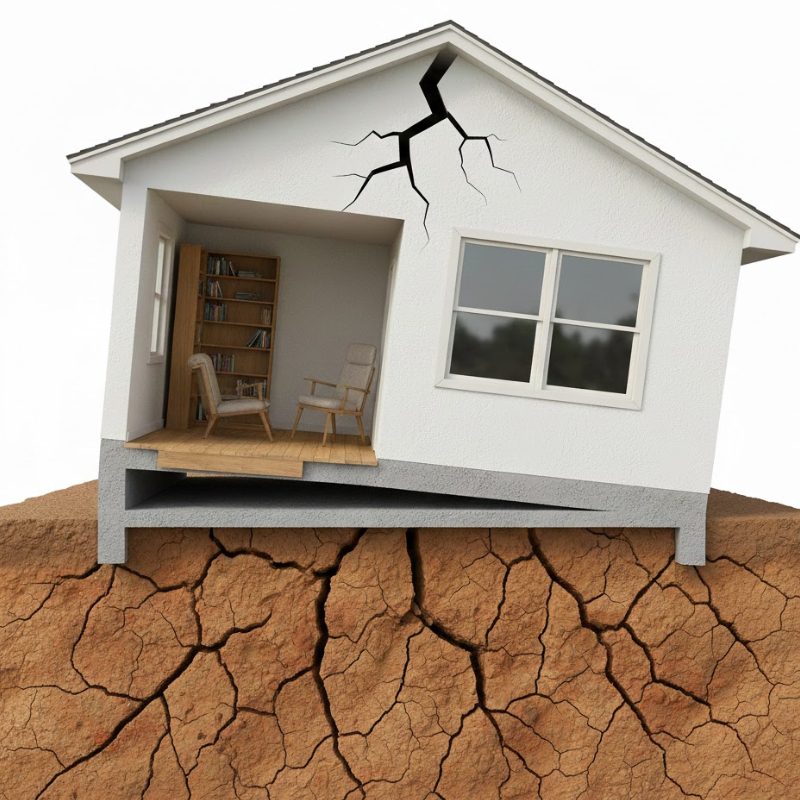
Many homes with sinking floors or cracked walls do not need to come down. The damage can look alarming, but it often traces back to one cause: the soil beneath part of the footing has shrunk, softened, or washed away. Fix that, lift the house back toward level, and the cracks can then be repaired.
What is house levelling?
House levelling lifts a sunken or uneven building back toward its original level and stabilises the ground beneath it. Depending on the house and the soil, it may use polyurethane resin injection, underpinning, slab jacking or a mix of these. The aim is to fix the cause of the movement first, then repair the damage it caused.
Our house levelling guide explains the process step by step. In short, we find what is moving the house, fix the cause, and then the damage. Common methods include:
- [Resin injection](resin): expanding polyurethane resin is injected into the ground under footings to fill voids, compact weak soil and lift the structure.
- [Underpinning](under): new support is added under existing footings, using methods such as mass concrete underpinning or screw piles. We underpin homes in Sydney, Melbourne and Brisbane.
- [Slab jacking](slab): resin is injected under concrete slabs to lift and level them.
Not sure which method suits your home? Our comparison of underpinning, relevelling, and slab lifting explains the differences.
What does demolition and rebuilding involve?
Demolition and rebuilding, often called a knockdown rebuild, means removing the existing house and building a new one on the same block. It involves design, approvals, service disconnection, demolition, possible asbestos removal, site preparation, and construction. In most cases, you will live elsewhere for the entire project.
A rebuild gives you a new house built to current standards, with a layout you choose. It also means new footings designed for your site’s soil. That can matter on a block with highly reactive clay or a long history of movement.
The trade-off is scale. A rebuild is a building project, not a repair. It involves a builder, designers, a certifier or council, and often months of planning before any work starts on site.
Revealing vs rebuilding: how do they compare?
Relevelling keeps your house and fixes the ground under it, while rebuilding replaces everything except the land. The table below compares the two options across the factors most homeowners weigh. Treat it as a guide only. An engineer’s report and quotes for your own property will give you the real answer.
| Factor | Relevel and repair | Demolish and rebuild |
| When it suits | The house is structurally sound but has shifted due to ground or footing issues. | The house is in poor condition overall, or you want a different home on the same block. |
| What it fixes | Sinking, tilting and uneven floors caused by soil movement, plus the cracks and sticking doors that follow. | Everything, because the whole house is replaced, including footings, frame, services and layout. |
| Disruption and moving out | Often done while the household stays at home, depending on the job and the method. | You move out for the full demolition-and-build period. |
| Approvals | Some structural repairs may need engineering sign-off or approval. Your engineer and contractor can advise. | Demolition and building approvals are needed. The rules vary by state and council. |
| Timeframe drivers | Size of the affected area, access, soil conditions, the method used and engineering requirements. | Design, approvals, service disconnection, demolition, asbestos removal, builder availability and construction. |
| Cost drivers | Area to be lifted, depth of weak soil, amount of material, access and crack repairs afterwards. | Demolition, asbestos removal, site works, new footings, the size and finish of the new home, plus rent while you are out. |
| Heritage | Usually, the more practical path for a heritage home is to keep the original building. | Demolition of a heritage-listed or protected home may be restricted or refused. |
| What you keep | The existing house, its character, gardens and established features. | The land. Everything else is new. |
When does revealing usually make sense?
Revealing usually makes sense when the house itself is in reasonable condition, and the problems in the ground beneath it are known. If the frame, roof and walls are sound and the damage follows a pattern of movement, fixing the foundation is often far less disruptive than starting again.
- Floors slope or have dropped in one area, such as one corner or one end of the house.
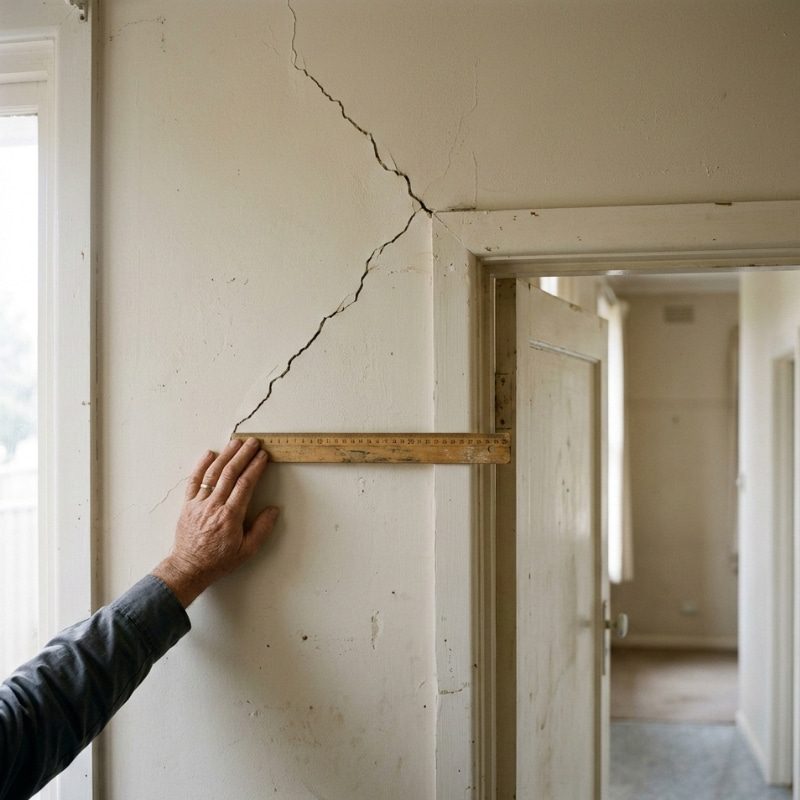
- Cracks run diagonally from the corners of doors and windows, a common sign of footing movement.
- Doors and windows have started to stick or will not close properly.
- The cause can be found and fixed, such as a leaking pipe, poor drainage or tree roots drying the soil.
- You like the house, its location and its layout, and you want to stay.
- The home is heritage-listed or in a heritage area, where demolition may be hard to get approved.
- You want to keep disruption low and avoid moving out for a long period.
The CSIRO homeowner’s guide to foundation maintenance explains why this pattern is so common in Australia. It notes that “all clays react to the presence of water by slowly absorbing it, making the soil increase in volume” and that “Even a minuscule leak can be enough to saturate a clay foundation.” When moisture is the cause, fixing the leak or the drainage is part of the repair.
When might rebuilding make more sense?
Rebuilding may make more sense when the house has problems that go well beyond the foundation, or when your plans for the block already point to a new home. In these cases, paying to lift and repair a house you will replace in a few years is hard to justify.
We would rather tell you this up front than sell you a repair that does not fit. A rebuild may be the better answer when:
- The frame, roof or walls have widespread rot, termite damage or other defects as well as movement.
- An engineer advises that the structure cannot be safely stabilised or repaired.
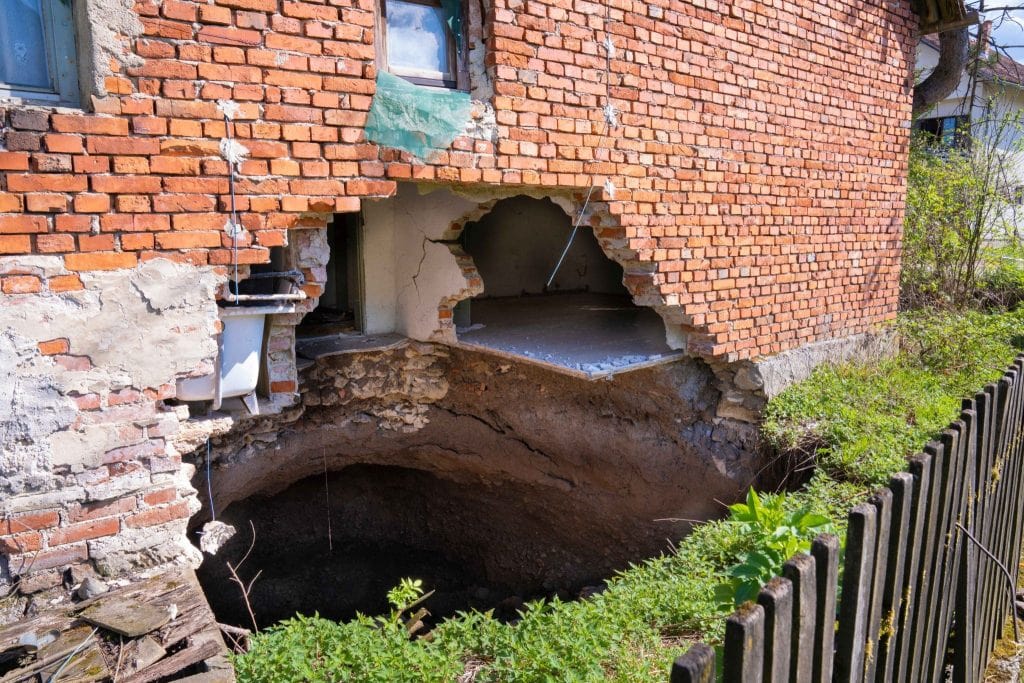
- Severe damage affects most of the house, not just one area.
- Wiring, plumbing and other services need full replacement anyway.
- You already plan to change the layout, add a level or build a larger home.
- The cost of repairs plus the other upgrades you need comes close to the cost of a new home.
- A new design with footings engineered for your soil would suit the block better.
If you are choosing between a renovation and a rebuild for reasons unrelated to movement, a builder or building designer is the right person to ask. Our focus is on fixing ground and foundation problems.
What approvals do you need to demolish and rebuild?
Demolishing a house and building a new one requires approval, but the process depends on your state, your council, and whether the property is heritage-protected. Check with your council or a private certifier before you commit to either option. The examples below come from official state and council sources.
New South Wales
The NSW Planning Portal’s knockdown rebuild guide to demolition says your demolition contractor typically lodges a separate development application for the demolition, or you may demolish under a complying development certificate. It also says licensed professionals must disconnect all utilities and services before demolition, and that the principal contractor must arrange the removal of any asbestos found.
Victoria
In Victoria, demolition is subject to the building permit system. Planning Victoria’s guide to the planning system explains that under section 29A of the Building Act 1993, a report and consent are needed where demolition removes more than half the building’s volume over three years, or any part of a street-facing facade. The responsible authority has 15 business days to provide it.
Queensland
In Queensland, the detail sits with local councils. Brisbane City Council says you may need building approval before any demolition work and should contact a licensed building certifier. It also says planning approval is required for some sites, including local heritage places and buildings in the traditional building character overlay that were built before 1946.
Heritage-listed and protected homes
Heritage controls can make demolition difficult. In Victoria, Planning Victoria’s local heritage guide says that for a place in a Heritage Overlay, “you will generally need to obtain a planning permit from your local council before carrying out various works, such as demolition, exterior alterations and new construction.” In NSW, the Planning Portal says exempt development generally cannot be carried out on land with an item listed on the State Heritage Register.
Repair work on a listed place can need approval too, so check before any work starts. For many heritage homes, releveling is the practical way to protect the building. Our heritage-listed building services explain how we work on older and protected structures.
What drives the cost difference between releveling? nd rebuilding?
Costs depend on your house, your soil and the extent of the damage, so a quote based on an inspection is the only reliable figure. Area drives the releveling costs to lift, and the ground conditions: demolition, approvals, and the size and finish of the new home drive rebuilding costs.
Revealing and repairing cost drivers
- The size of the area that needs lifting.
- The depth and type of weak or reactive soil.
- The method used: resin injection, underpinning, slab jacking or a combination.
- Access, such as tight side passages, under-floor areas or working inside the house.
- Engineering reports and any approvals needed.
- Fixing the cause, such as plumbing repairs or drainage upgrades.
- Crack repairs and finishing work once the house is stable.
As one published example, our Melbourne underpinning page states that most Melbourne underpinning jobs cost $5,000 to $30,000, with minor work at $5,000 to $10,000 and moderate work at $10,000 to $30,000 or more. Your job may differ.
Demolition and rebuild cost drivers
- Design, certification and approval fees.
- Demolition and disconnection of services.
- Asbestos removal, if found.
- Site works and new footings designed for your soil.
- The size, design and finishes of the new home.
- Rent, storage and moving costs while you are out of the house.
- Landscaping, driveways and fencing after the build.
Compare the full cost of each path, not just the headline quote. A rebuild includes costs that sit outside the builder’s contract.
How do you decide between releveling and rebuilding?
Start with the cause of the movement and the condition of the house, not the price. Get the movement diagnosed, determine the severity of the damage, then compare the scope of repair against your longer-term plans. These steps help you make the call with facts in front of you rather than guesswork.
- Find the cause. Our guide to diagnosing an unlevel building covers the tests engineers use. Leaks, poor drainage and trees are common causes.
- Check how severe the damage is. Australian Standard AS 2870 groups wall cracking into damage categories, reproduced in the CSIRO guide. Category 2 (slight) covers cracks under 5 mm that are easily filled. Category 4 (severe) covers cracks of 15 to 25 mm, where frames distort and walls lean or bulge.
- Get an engineer’s view. You can check whether an engineer is listed on the National Engineering Register.
- Get a repair scope and quote. Ask what will be lifted, which method will be used, and what repairs follow.
- Compare it with your plans. If you like the house and plan to stay, repair often makes more sense. If you plan to replace it anyway, a rebuild may be a better use of your money.
- Check your insurance. Insurance may respond to damage caused by a sudden insured event, while damage that develops gradually is treated differently by most policies. Your product disclosure statement decides it. Moneysmart explains how home insurance works.
Frequently asked questions
Is it cheaper to relevel or rebuild a house?
Rehabilitating and repairing a structurally sound house usually costs less than demolishing it and building a new one, because you keep the existing home. A rebuild can be a better value when the house also needs major work beyond the foundation. Compare full quotes for both, including rent and approvals, before you decide.
Can every house be relevelled?
No. Many houses affected by ground movement can be relevelled, but not all. A house with severe structural damage, widespread rot or termite damage, or ground that cannot be stabilised may not be suitable for levelling. An inspection and engineering advice will show whether it is realistic for your home.
Do I need to move out during relocation?
Often not. Many resin releveling jobs can be done while you stay at home because the work is done from outside or through small holes drilled in the floor. Larger underpinning projects or work inside the house may mean clearing rooms or leaving for part of the job. Your quote should explain what to expect.
Will releveling fix the cracks in my walls?
Revealing the cause and lifting the house can close up cracks, but it does not repair the damage on its own. Cracks usually need repair once the house is stable, through filling, crack injection or brick stitching. Cracks repaired before the movement stops tend to come back.
Does relevelling affect resale value?
Unresolved movement can worry buyers, so fixing it can help when you come to sell. Keep the engineer’s report, the scope of work and any warranty paperwork to show buyers. Be upfront about past movement and repairs. Our guide to buying or selling a house with subsidence covers what to share with buyers.
Get honest advice before you decide.
Revealing keeps the house you have with less disruption and no demolition approvals required. Rebuilding gives you a new home but takes longer and depends on approvals. The right choice comes down to the cause of the movement, the condition of the house and your plans for the property.
Raise & Relevel has raised and relevelled more than 7,000 homes across Sydney, Melbourne and Brisbane. We will inspect your home, find what is moving it and tell you plainly whether releveling is the right fix. If it is not, we will say so. Learn more about our unlevel building repairs, book an inspection or call 1300 053 835.