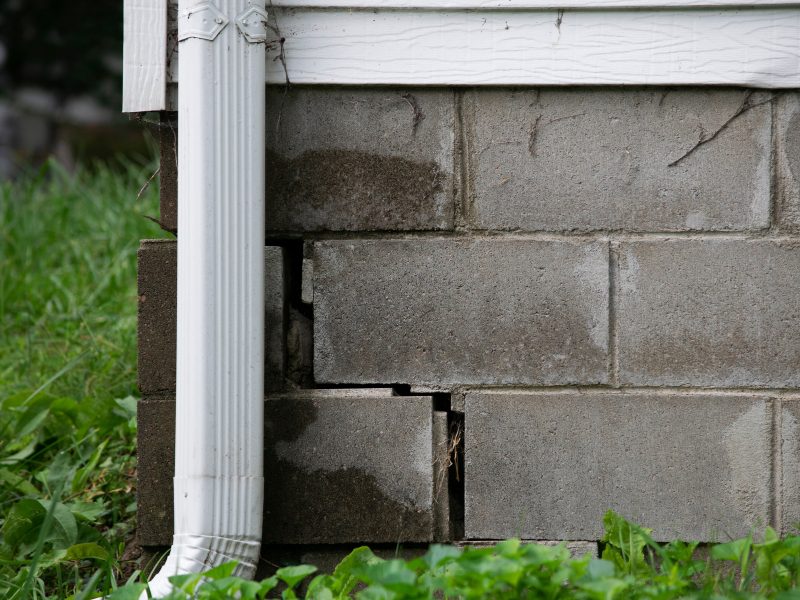
House Relevelling Guide – How house relevelling works
In brief
House relevelling aims to correct a building's position after movement has occurred.
Read article 8 min read

Compare the image and film openings in two brand palettes.
Understand the signs.
Explore your options.
Plan your next step.
Search the full text of these 10 articles. Use the pages below to explore more.
Try a broader phrase or clear one of the filters.
House relevelling aims to correct a building's position after movement has occurred.
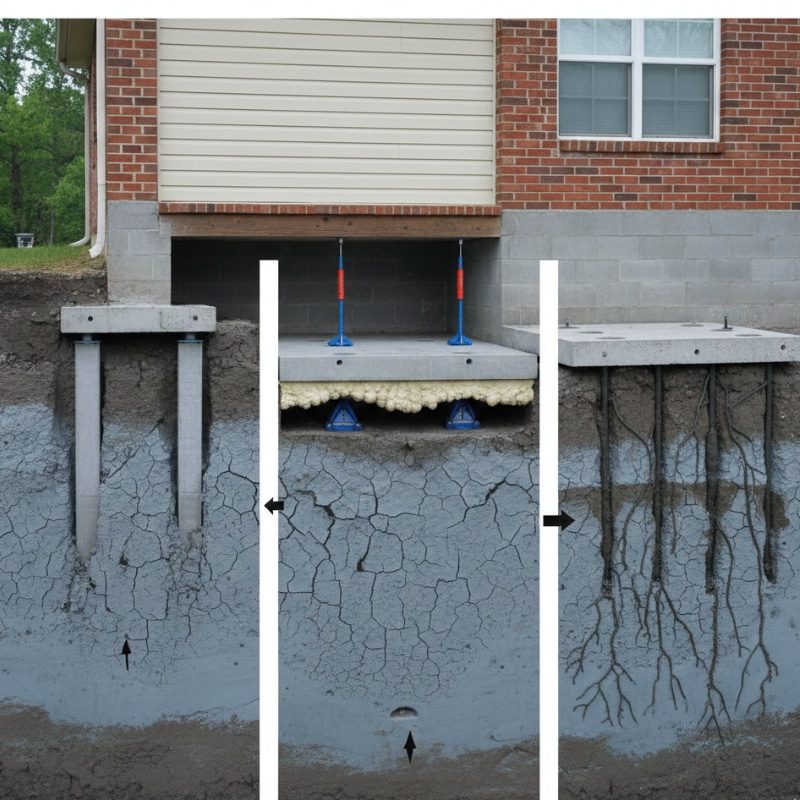
Underpinning, slab jacking and grouting address different causes and forms of subsidence.
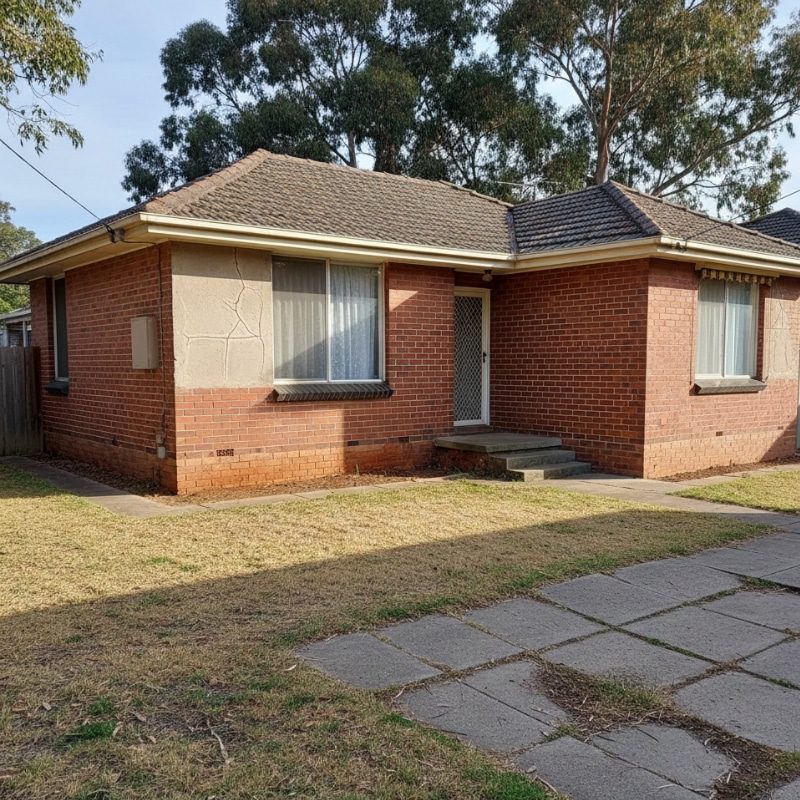
Melbourne's reactive clay soils can move as moisture conditions change.
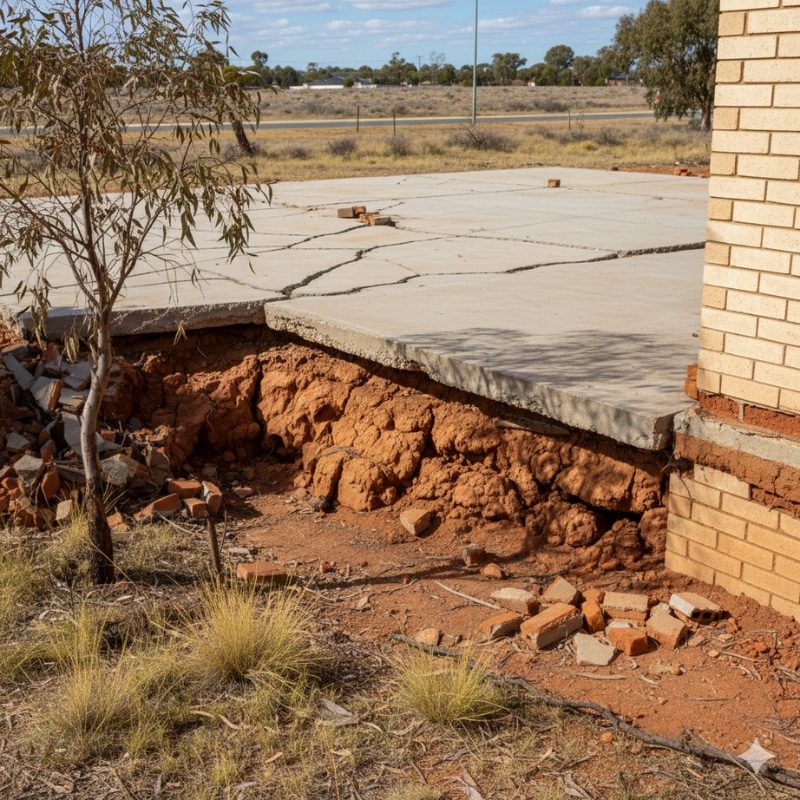
Reactive clay expands when wet and contracts when dry, placing stress on foundations.
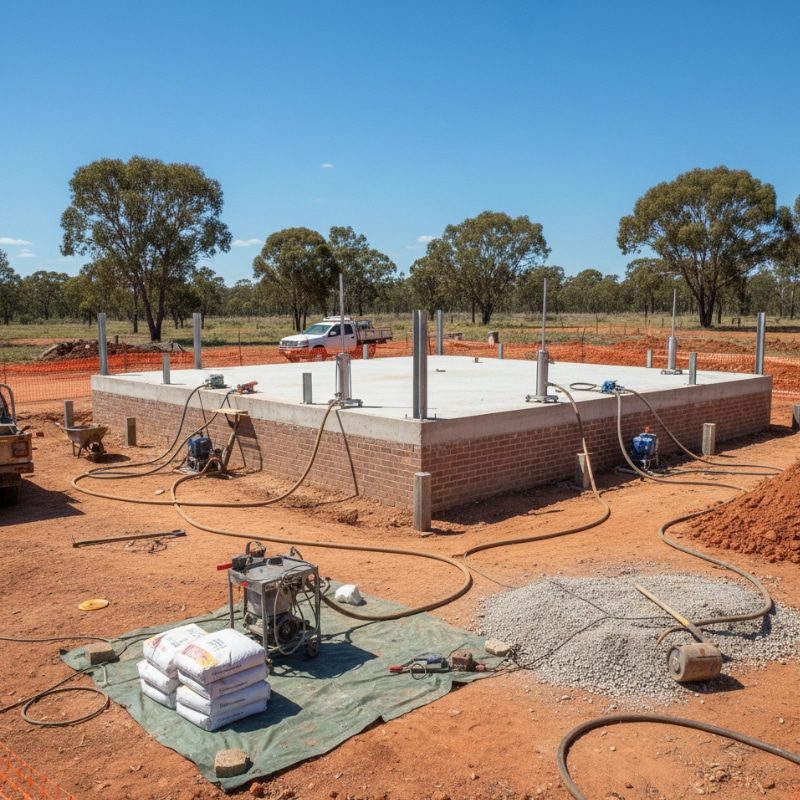
Underpinning, relevelling and slab lifting address different aspects of building movement.
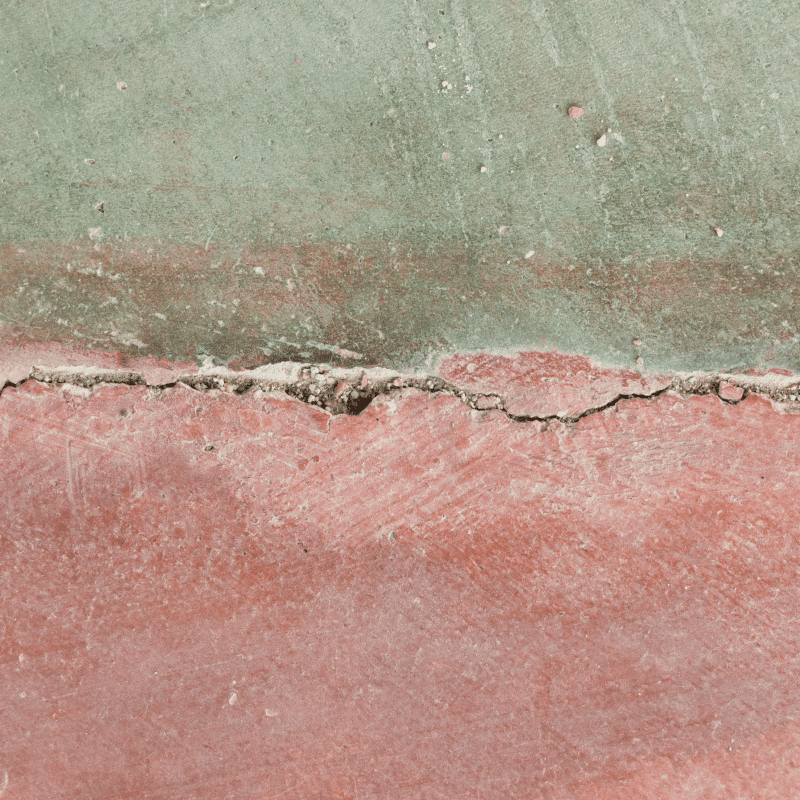
Foundation problems can appear as recurring wall cracks, floor damage, gaps or sticking doors.
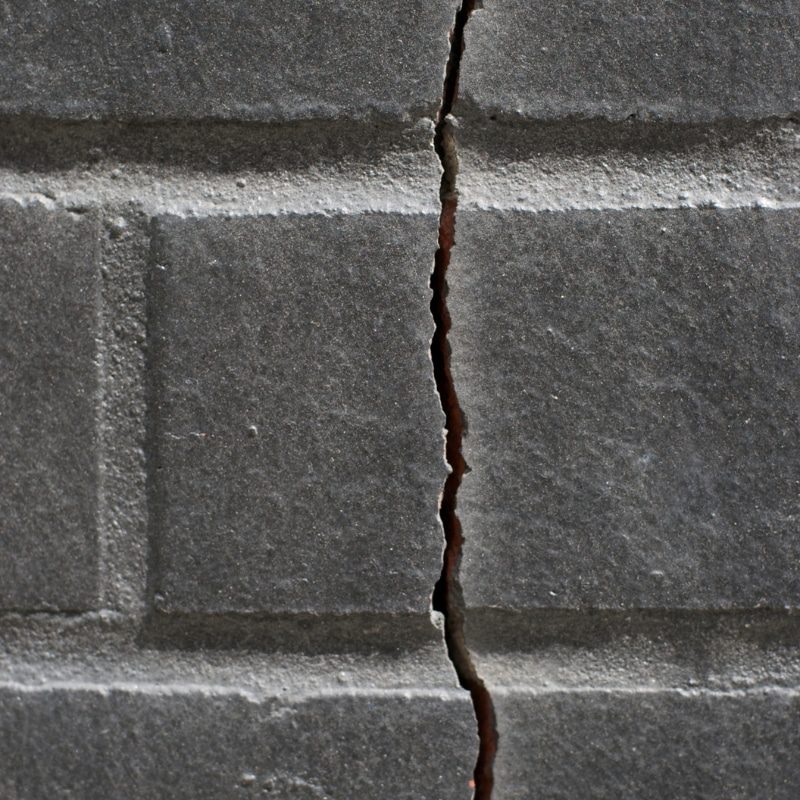
A sinking house usually involves uneven movement in the supporting ground or foundations.
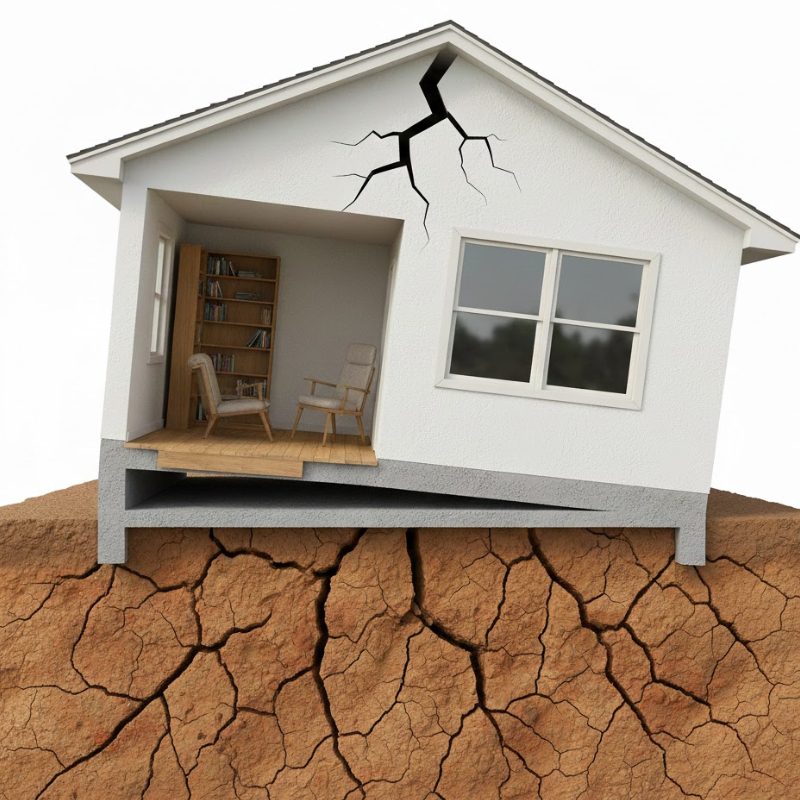
Sinking floors can result from reactive soils, settlement, failed supports or loss of ground beneath a slab.
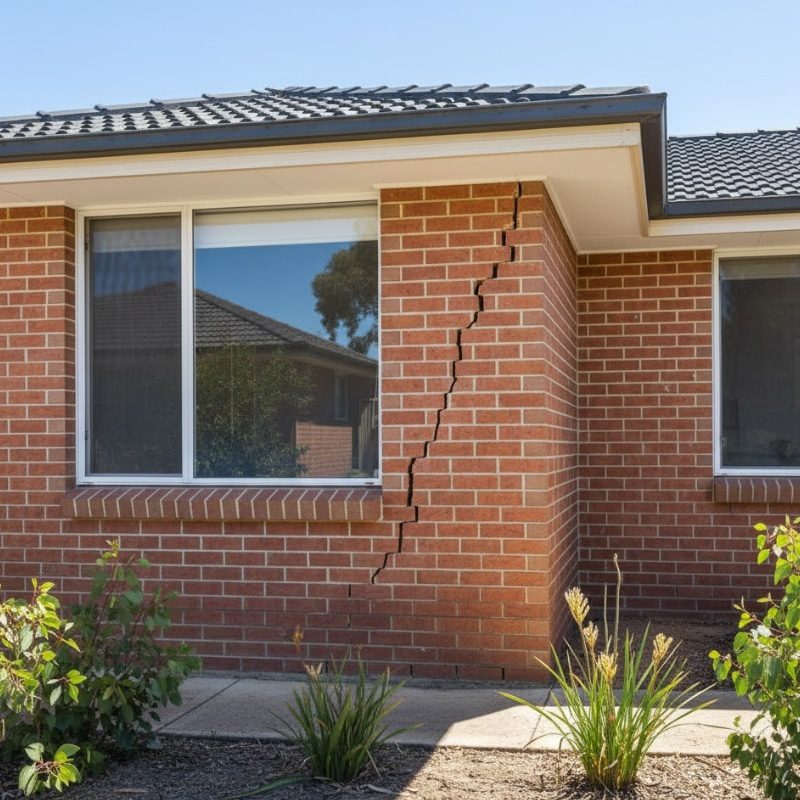
Fine plaster cracks are common, but growing or distinctive crack patterns can indicate a deeper issue.
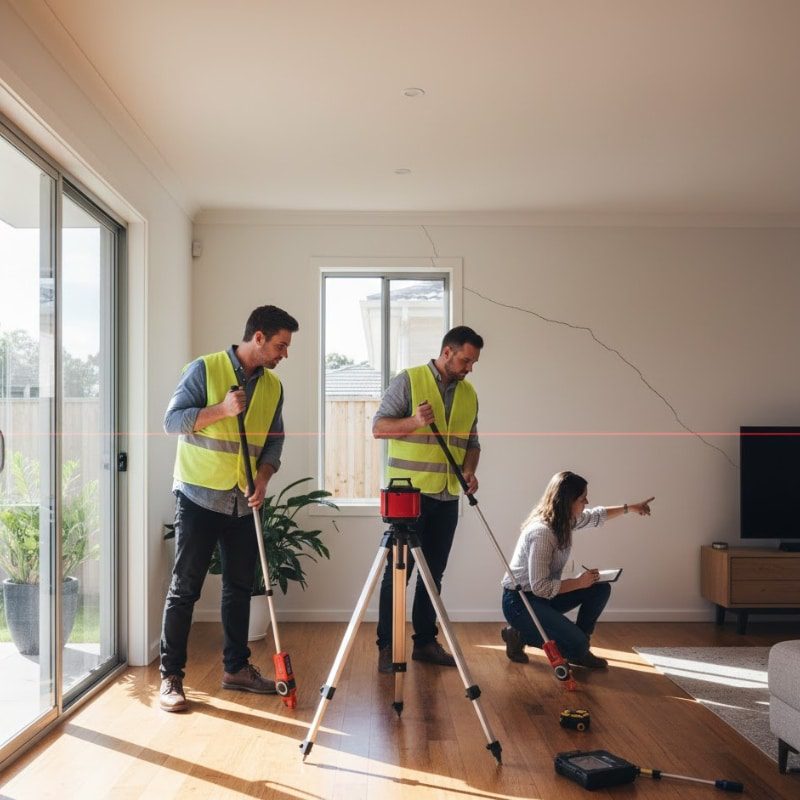
Diagnosing an unlevel building involves recording symptoms, measuring movement and investigating its cause.
Tell us what you’ve noticed. Share a few details to request your free site assessment.
4.8 / 5152 Google reviews across NSW, VIC + QLD ↗Photo 1 of 1